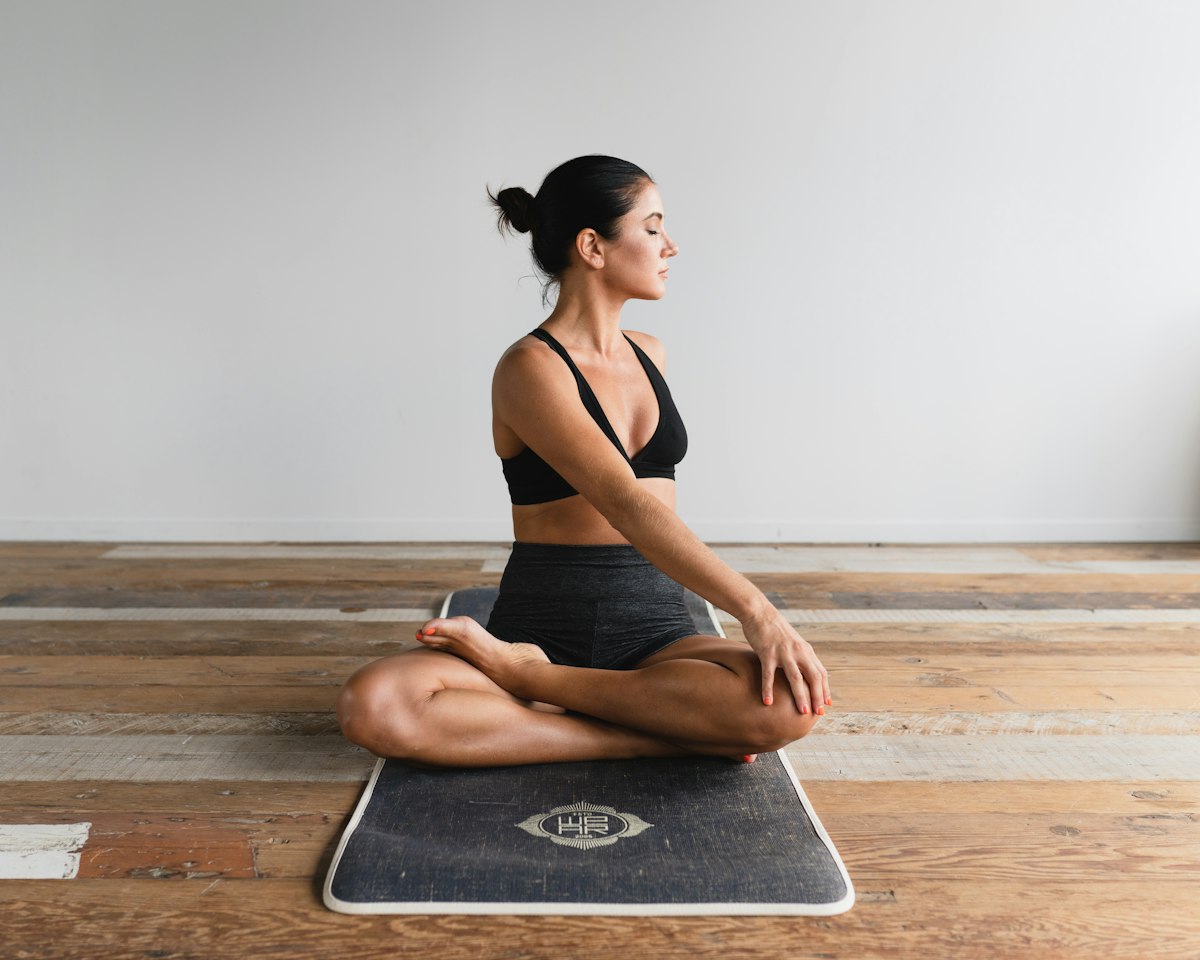
Stretching After Workouts: What Actually Helps
Stretching will not prevent muscle soreness, despite what you have heard. Here is what post-workout stretching actually does, how to do it properly, and what helps recovery more.
202 stories published in October 2026
Stretching will not prevent muscle soreness, despite what you have heard. Here is what post-workout stretching actually does, how to do it properly, and what helps recovery more.
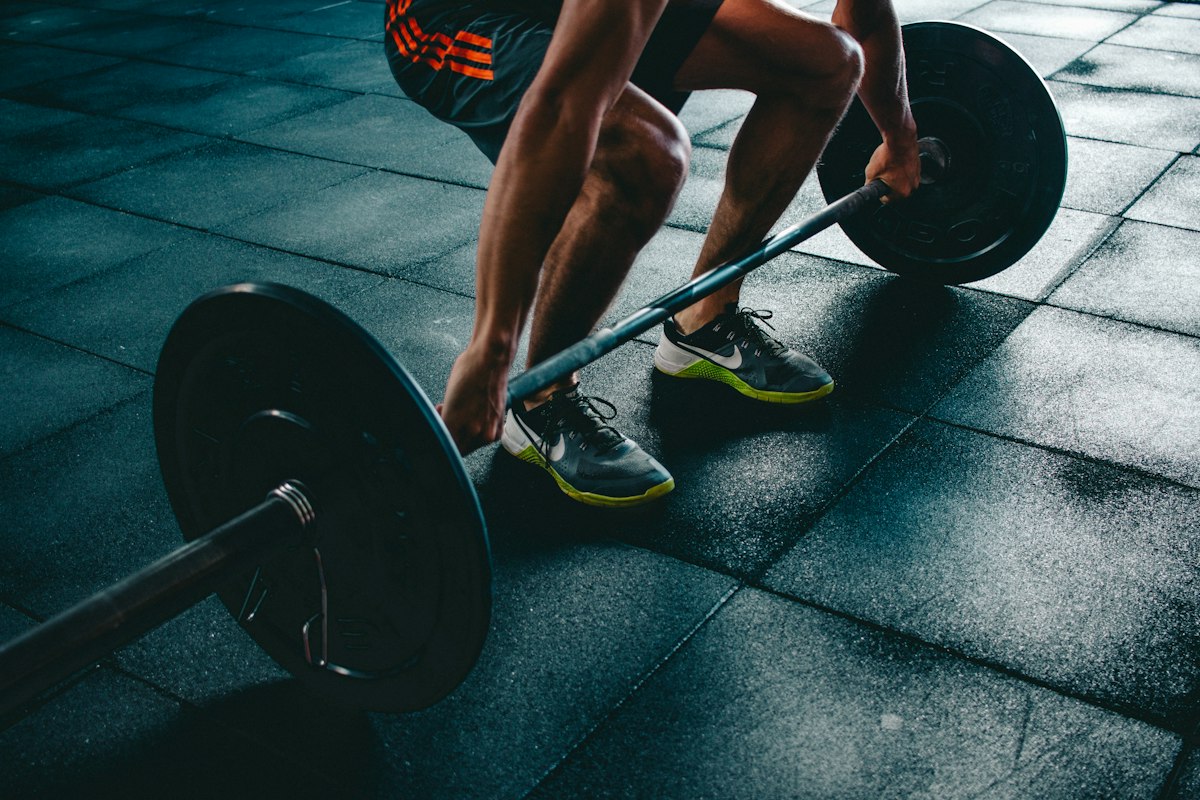
A beginner calisthenics routine works with five movements: a push, a squat, a pull or row, a hinge or lunge, and a core hold, done three times a week. Thirty minutes is enough when the movements are done with control and the progression is small and steady.
The first pull-up comes from building the pieces: dead hangs for grip, scapular pulls for shoulder control, and slow negatives for strength through the full range. Most people fail by jumping straight to kipping or band-assisted reps without ever owning the bottom position.
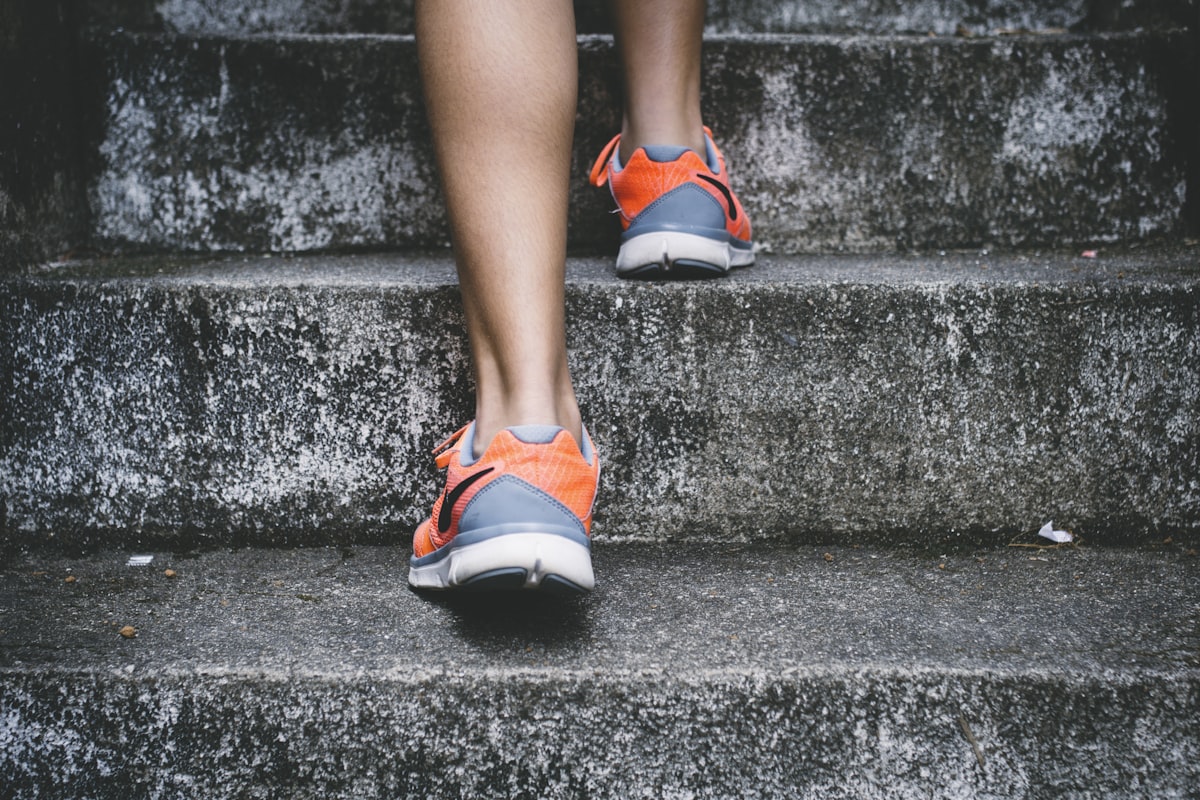
Trail running rewards patience: walk the steep hills, run the flats and downhills you can control, and judge effort by breathing rather than road pace. Beginners often start too fast on runnable climbs, then pay for it with trashed legs and lost confidence.
Tight hips and shoulders usually come from long sitting, not from a lack of stretching willpower, so a short daily routine beats an occasional long session. Focus on controlled joint circles, hip flexor and thoracic work, and positions you can breathe in, rather than forcing deep stretches.
Bodyweight legs get hard through single-leg work, slow tempos, and full range of motion, not through endless easy reps. Split squats, step-ups, and slow squats challenge strength and balance in ways two-legged high-rep sets never reach.
Push-up progression is about leverage: raise your hands, then move to knees, then to full reps, keeping a straight line from head to heels at every stage. Sagging hips or flared elbows are signs the step is too big, not signs to push through with more reps.
Combining running and calisthenics works when hard days stay hard and easy days stay easy, with strength and running separated or ordered so neither ruins the other. Most burnout comes from adding volume to both at once, rather than from either activity alone.
Beginner knee pain often comes from too much depth, too much volume, or knees collapsing inward, not from squatting itself. Reducing range, slowing tempo, and strengthening hips and glutes usually helps more than avoiding leg training altogether.
Altitude training works because thinner air forces the body to adapt, but flatland runners should expect slower paces, higher heart rates, and a need for more recovery at first. The common mistake is chasing sea-level paces uphill at altitude and arriving exhausted instead of adapted.