Bodyweight Leg Workout With No Equipment: Six Moves for Real Strength
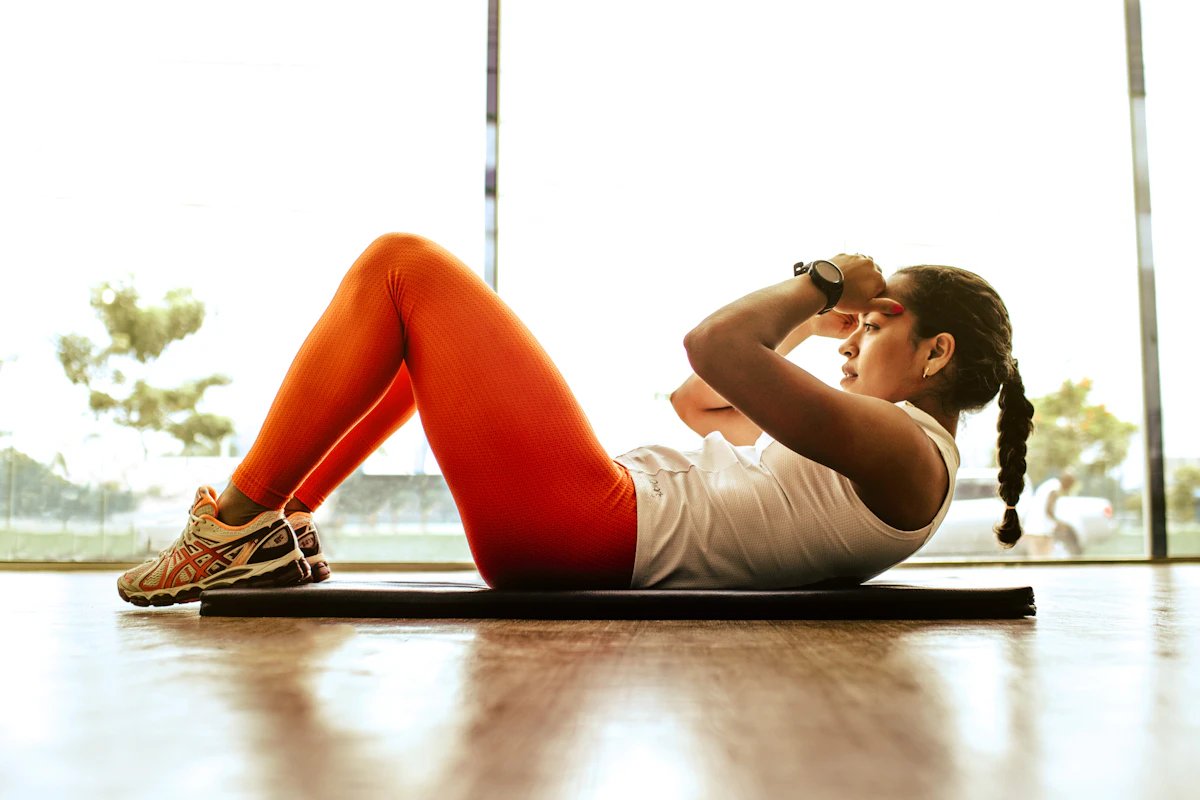
- Primary Signal: Bodyweight Leg Workout With No Equipment: Six Moves for Real Strength
- Overview: Legs are the weak point of most bodyweight programmes, but single-leg progressions fix that. Six moves, three rounds, no equipment, and a clear way to make it harder as you get str...
- Verification: Analyzed and compiled by SkyFree Athletics editorial monitoring desk.
Most calisthenics athletes have a strong upper body and legs that lag behind, and there is a reason. Bodyweight leg training is genuinely harder to scale than upper-body work: you cannot simply add a plate to a squat when the only weight you have is your own body. But harder to scale does not mean ineffective. With the right progressions, a no-equipment leg workout can build real strength, balance, and endurance.
The secret is unilateral work. Single-leg movements double the load on each leg, demand balance, and expose the weak side, which is exactly what a good leg session should do. This workout needs no equipment and no gym, just floor space and a chair or low step.
The Warm-Up: Wake Up Your Hips and Ankles
Start with five minutes of easy movement: leg swings forward and side to side, ten per leg, then ten walking lunges, then ten bodyweight squats at a slow, controlled tempo. Finish with ankle circles and a deep squat hold for 30 seconds, heels on the ground, chest up. Cold hips and stiff ankles are the two things that make bodyweight leg work feel bad.
Pay attention to your ankles during the squat hold. If your heels lift, your ankle mobility is the limiter, not your leg strength, and a few minutes of calf stretching and slow calf raises will help more than extra squats. Warm joints move better, and better movement is what turns a home workout into real training.
The Main Workout: Six Moves, Three Rounds
Do each move for the listed reps, rest 60 seconds between rounds, and complete three rounds. Air squats: 15 reps, slow down, fast up. Reverse lunges: 10 per leg, keeping your torso upright and your front knee tracking over your toes. Bulgarian split squats with your back foot on a chair: 8 per leg, the hardest move in the set, so take your time.
Single-leg Romanian deadlifts: 8 per leg, hinging at the hip with a soft knee and reaching toward the floor. Step-ups onto a sturdy chair or step: 10 per leg, driving through the heel and standing tall. Finish with wall sits: 30 seconds, thighs parallel to the floor. If any move feels too easy, slow the lowering phase to three or four seconds. Tempo is the free weight of bodyweight training.
Progressing Without Adding Weight
Progressive overload without equipment works in four ways: more reps, slower tempo, longer ranges, and harder variations. When air squats feel easy, move to jump squats or pistol squat progressions, holding a doorframe for balance at first. When split squats feel easy, raise the back foot higher or add a pause at the bottom. When step-ups feel easy, use a higher step.
Add a backpack loaded with books as a simple weight vest when you want more load, but keep the weight modest: ten to fifteen kilos is plenty for most people. The goal is clean, controlled reps with full range of motion, not grinding through sloppy reps with a heavy pack. Log your reps and tempo each session so you can see the progress that a mirror will not show you for weeks.
How Often and What to Expect
Train legs two or three times a week on non-consecutive days, and expect soreness in the first two weeks, especially from the split squats and the eccentric lowering. That soreness fades as your muscles adapt, and it is not a sign of injury, just of a new stimulus. If your knees hurt rather than your muscles, check your form: knees should track over your toes, never cave inward, and the weight should sit through your whole foot, not just your toes.
Bodyweight legs will not replace heavy barbell squats for maximum strength, but they will build strong, balanced, resilient legs that run, jump, and climb better. Pair this workout with your upper-body calisthenics sessions, and your legs will finally keep up with your pull-ups.
More from SkyFree Athletics


