Calisthenics for Runners: A Simple Strength Routine That Makes You Faster
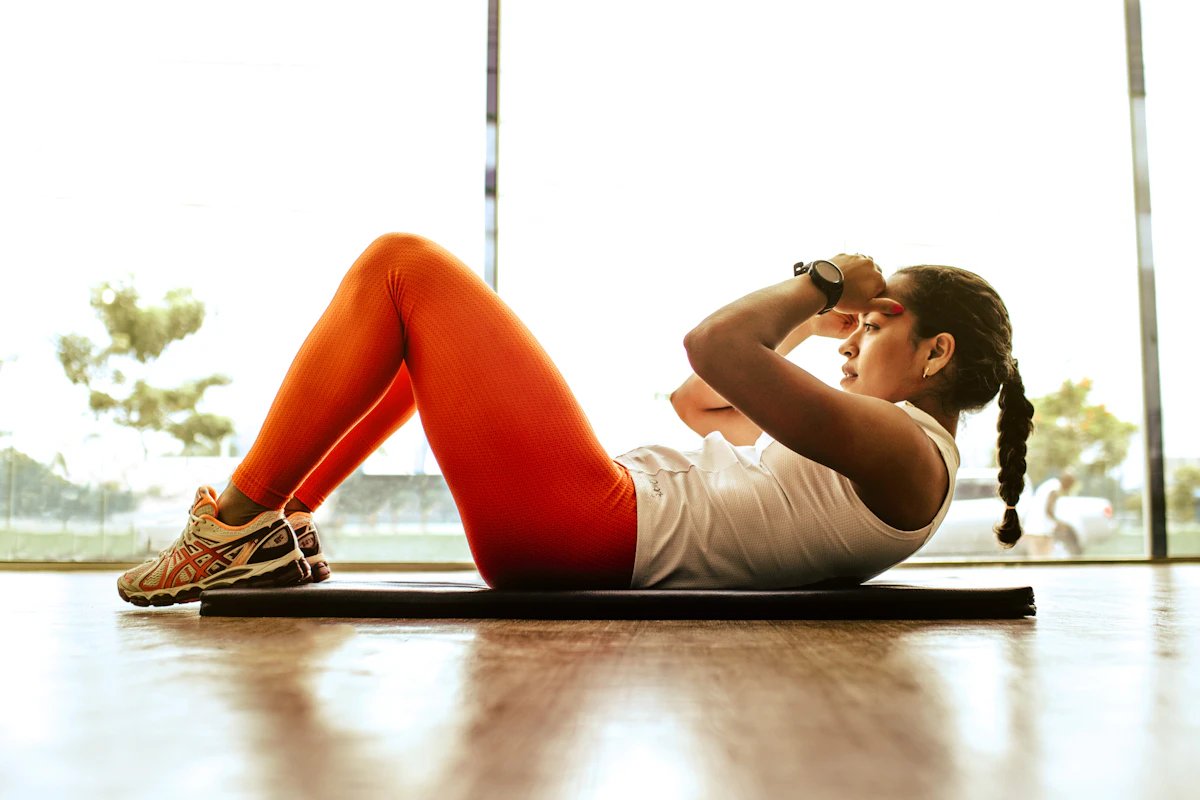
- Primary Signal: Calisthenics for Runners: A Simple Strength Routine That Makes You Faster
- Overview: Runners who add two short bodyweight sessions a week get stronger, run more efficiently, and pick up fewer injuries. Here is a practical routine you can do at home....
- Verification: Analyzed and compiled by SkyFree Athletics editorial monitoring desk.
Runners love to run, which is exactly why most of them skip strength work. The problem is that running alone builds endurance in a narrow pattern and leaves the hips, glutes, and core undertrained. That gap shows up as knee pain, a fading stride late in long runs, and a plateau that more miles cannot fix. Calisthenics is the simplest fix available: no gym, no equipment, just your bodyweight, twice a week, for about twenty minutes. The routine below is built for runners, not for bodybuilders, so every move earns its place by making your running better.
Why Bodyweight Strength Works for Runners
Running is a series of single-leg landings, and each landing loads your body with two to three times your weight. The muscles that absorb that load are the glutes, the quads, the calves, and the deep core. Calisthenics trains exactly those muscles in the movement patterns running uses: single-leg balance, hip extension, and a stable trunk. Studies on runners who add strength training consistently show better running economy, which means you use less energy at the same pace. You do not need heavy weights to get this benefit. Controlled bodyweight work, done consistently, is enough for most recreational runners. It also builds the smaller stabilising muscles around the ankles and hips that keep your footing steady on uneven ground, which is something a treadmill never trains.
The Routine: Two Sessions a Week
Do this twice a week on non-consecutive days, ideally after an easy run or on a rest day. Warm up for three minutes with leg swings, hip circles, and a few easy squats. Then work through three rounds of the circuit, resting sixty seconds between rounds. One, split squats, eight per leg: a long stride, back knee dropping toward the floor, torso tall. Two, glute bridges, fifteen reps: squeeze hard at the top for a full second. Three, push-ups, eight to twelve reps: full range, body straight. Four, side planks, thirty seconds per side. Five, calf raises, fifteen slow reps, lowering for three seconds. The whole session takes about twenty minutes.
Progressing Without Equipment
When the routine gets easy, do not just add more reps forever. Make the moves harder instead. Turn split squats into Bulgarian split squats with your back foot on a chair. Turn glute bridges into single-leg bridges. Slow the lowering phase of every rep to three or four seconds. Add a fourth round before you add a fifth exercise. This is progressive overload with bodyweight, and it works as long as you keep a small notebook or phone note of what you did last time and beat it by a little. If a move causes joint pain rather than muscle effort, swap it for an easier version and build back up.
Fitting It Around Your Running
The biggest mistake is treating strength as a separate project that competes with running. It is support work, so schedule it around your key runs. Do not do a hard leg session the day before a long run or a race. The best slots are after easy runs, when you are already warm, or on rest days when the session is short and the effort is moderate. Expect some soreness for the first two weeks, then it fades as your body adapts. A short session also fits easily into a lunch break or an evening at home, which is the real reason most runners manage to keep it up while gym memberships gather dust. After a month, most runners notice their stride feels more stable on downhills and their legs feel fresher in the final miles. That is the routine paying for itself, twenty minutes at a time.
More from SkyFree Athletics


