Mobility Routine for Runners: 10 Minutes a Day
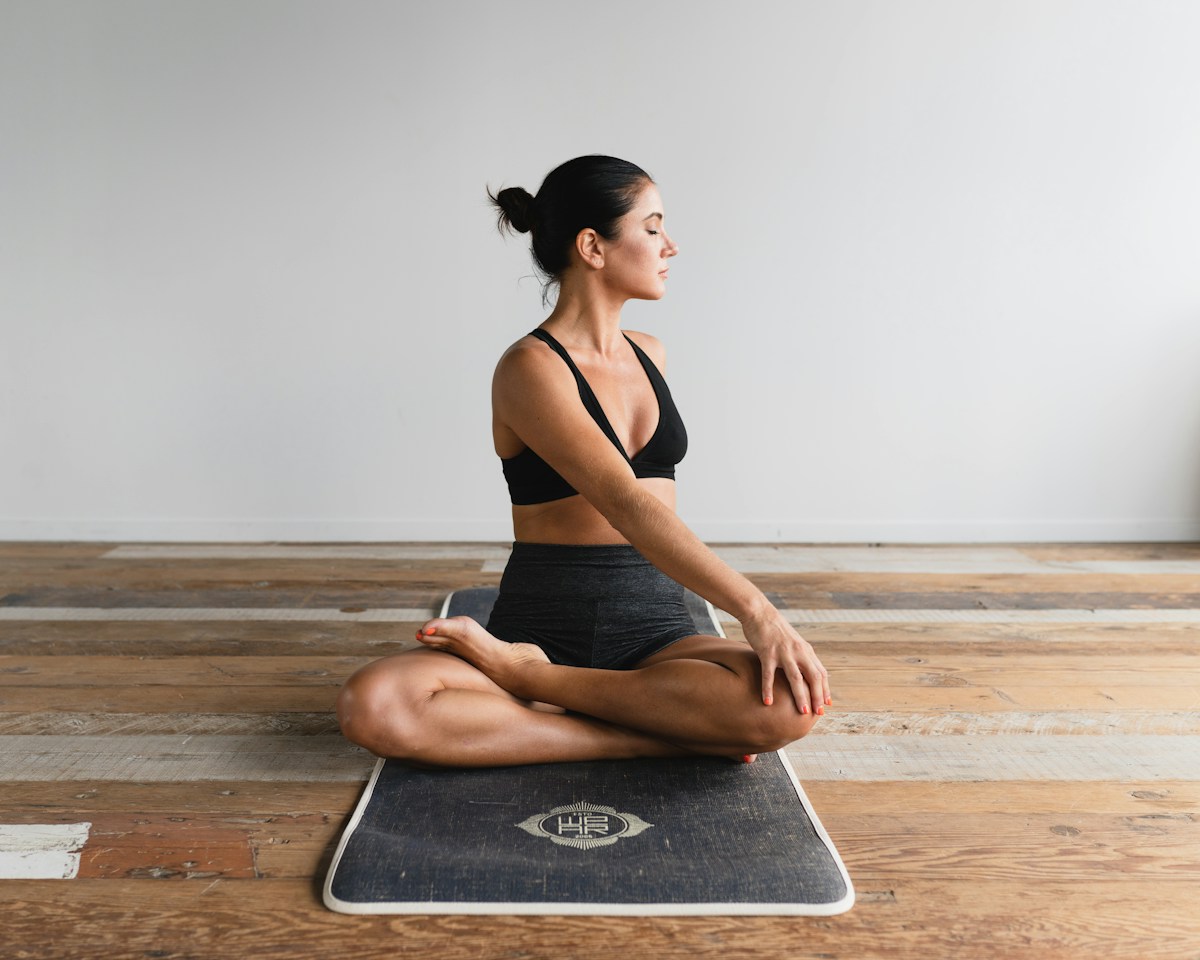
- Primary Signal: Mobility Routine for Runners: 10 Minutes a Day
- Overview: Ten minutes of daily mobility keeps runners supple, balanced and injury-resistant. This simple routine targets the hips, ankles, spine and shoulders that running tightens....
- Verification: Analyzed and compiled by SkyFree Athletics editorial monitoring desk.
Running is a repetitive sport, and repetition tightens the body in predictable places: the hips, the ankles, the calves and the upper back. Mobility work is the antidote. Ten minutes a day, done consistently, keeps joints moving freely, improves running form, and reduces the risk of the overuse injuries that end so many running seasons.
The hips are the centre of running, and they are also where most runners are tightest. Two movements cover most of what you need. The 90-90 stretch, sitting with both knees bent at right angles and rotating from side to side, improves hip rotation. The deep lunge with a gentle twist opens the hip flexors and the front of the thigh.
Spend two minutes on hip work each day, moving slowly and breathing deeply rather than forcing the range. You should feel a stretch, not pain, and the range will improve gradually over weeks. Runners who sit all day at work need this most, because sitting shortens the hip flexors that running then asks to extend.
Ankle mobility matters enormously on trails, where every step lands on different ground. A simple calf stretch against a wall, held for 30 seconds per leg, plus ankle circles in both directions, keeps the Achilles and the ankle joint moving well. If your ankles are stiff, your knees and hips compensate, and that compensation is where injuries start.
The spine also deserves attention. Cat-cow movements on all fours, gentle spinal twists while lying on your back, and thoracic rotations all keep the upper back mobile, which matters for arm swing and breathing. Runners tend to focus only on the legs, but a stiff upper back makes the whole running motion less efficient.
The best mobility routine is the one you actually do, so keep it short and attach it to something you already do every day, such as after your morning coffee or before bed. A simple structure is two minutes of hip work, two minutes of ankles and calves, two minutes of spine work, and a few minutes of whatever feels tightest that day.
Use slow, controlled movement rather than bouncing or forcing, and breathe normally throughout. Mobility is not a workout, it is maintenance, and it should feel pleasant. Done daily, it keeps your body ready for the miles, and it is one of the cheapest investments in a long running life.
One more area worth including is the feet themselves, which runners often ignore completely. Rolling a small ball under the arch of each foot for a minute, spreading your toes wide, and practising picking up a towel with your toes all strengthen the small muscles that support your arches. Strong, mobile feet absorb impact better and give you more stability on uneven ground. This is especially important for trail runners, whose feet work much harder than road runners' feet. Spending two minutes on foot care as part of your daily routine is a small investment that pays off in fewer foot problems and more comfortable miles.
Ten minutes of daily mobility is one of the best investments a runner can make. Work the hips, ankles, calves and spine with slow, controlled movements, attach the routine to a daily habit, and your body will stay supple, balanced and ready to run. Begin tonight with just the hip and ankle work, notice how your body feels tomorrow morning, and let that small win convince you to make the full ten minutes a daily habit. Ten minutes a day is a tiny price for a body that moves well and runs pain-free.
If ten minutes feels like too much, do a two-minute version: one hip stretch and one ankle drill. Keeping the habit alive matters more than a perfect routine, because a missed week is harder to restart than a shortened session. Notice whether your stride feels freer on the next run; that feedback turns a routine into a lasting habit.
More from SkyFree Athletics