Running With Your Dog for Beginners: How to Start Safely and Have Fun
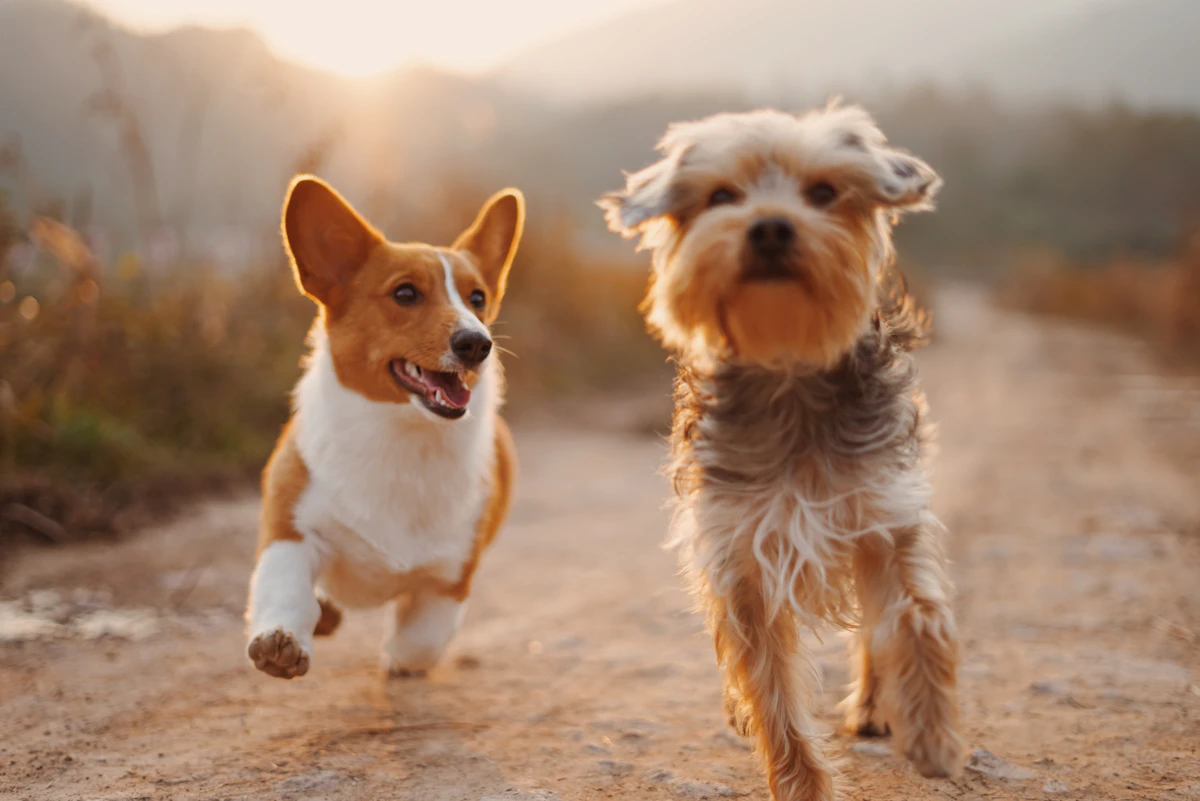
- Primary Signal: Running With Your Dog for Beginners: How to Start Safely and Have Fun
- Overview: Running with your dog is one of the best parts of being a runner, but not every dog is ready to run, and not every run suits a dog. This guide covers breeds, ages, gear, and a safe...
- Verification: Analyzed and compiled by SkyFree Athletics editorial monitoring desk.
Few things beat a trail run with a happy dog trotting beside you. Dogs make great running partners: they never cancel, they are always excited to go, and they will happily run in weather that keeps your human friends at home. But running with a dog is not as simple as clipping on a lead and heading out the door. The wrong distance, the wrong surface, or the wrong age can hurt your dog, so a little preparation goes a long way.
The first question is whether your dog is ready. Puppies should not run with you until their growth plates have closed, which is usually around twelve to eighteen months depending on the breed. Large breeds mature later than small ones, so ask your vet if you are unsure. Older dogs can run too, but they need shorter distances and softer surfaces, and any dog with joint problems, breathing issues, or a heart condition should be checked by a vet before you start.
Breed matters a lot. Herding and sporting breeds like Labradors, border collies, Vizslas, and German shorthaired pointers were built to run for hours. Brachycephalic breeds with flat faces, like bulldogs and pugs, struggle to breathe during exercise and should not be running partners. Very small dogs can run, but their short legs mean they work much harder to keep up with you. Match the run to the dog you actually have, not the dog you wish you had.
Good gear makes the run better for both of you. A hands-free running lead that clips around your waist keeps your arms free and absorbs sudden pulls. A well-fitted harness spreads the load across your dog's chest instead of putting pressure on the neck, which matters on trails where your dog will pull toward interesting smells. Bring water for your dog, especially on warm days: a collapsible bowl weighs almost nothing and fits in a pocket or a running belt.
Start exactly as you would with a human beginner: slowly. Your dog may look full of energy, but running fitness builds gradually, just like yours did. Begin with twenty minutes of easy running mixed with walking, three times a week. Watch your dog closely. If they are lagging behind, panting heavily, or lying down, stop and walk. Add about ten percent more time each week, and give your dog a rest day between runs, the same as you take yourself.
Surface matters more for dogs than for people. Hot tarmac can burn a dog's paws in summer, so test the ground with your own hand: if it is too hot for your palm, it is too hot for their paws. Rough trails and gravel can cut pads, so check your dog's feet after every run for cuts, thorns, or sore spots. Grass, dirt trails, and forest paths are the kindest surfaces, and they are usually the most fun for your dog anyway.
Training matters as much as fitness. Teach your dog to run on one side, to stop at roads, and to come back when called, before you take them on busy trails. A dog that chases other runners, cyclists, or wildlife is a danger to everyone, including itself. Practise recall in a safe area first, and keep your dog on a lead on any trail where other people, livestock, or roads are nearby. A long training lead is a good compromise on quieter trails.
Watch the weather. Dogs overheat faster than people because they cannot sweat the way we do. On warm days, run early in the morning, stick to shade and water, and cut the distance. Heavy panting, drooling, wobbling, or a dog that suddenly stops and lies down are signs of overheating, and they need immediate shade, water, and cooling. In winter, short-coated dogs may need a coat, and salted roads can irritate paws, so rinse their feet after a snowy run.
Running with your dog is a partnership, and like any partnership it works best when both sides enjoy it. Start slow, match the distance to your dog's breed and age, use the right gear, and pay attention to what your dog is telling you. Do that, and you will have a training partner who is more excited about your next run than you are.
More from SkyFree Athletics


