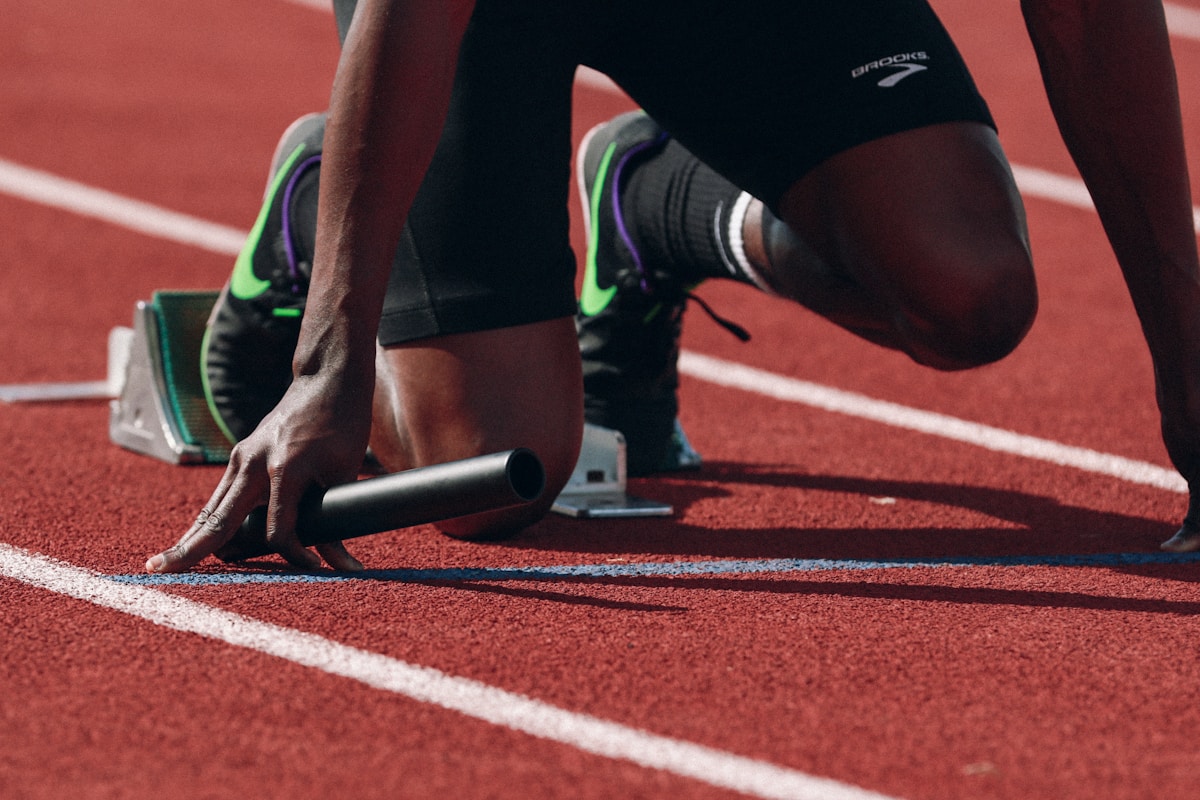
Push-Up Progression: From Wall Push-Ups to Your First Full Push-Up
Wall, incline, knee, then full: this step-by-step push-up progression builds real pressing strength without rushing form or straining shoulders.
202 stories published in October 2026
Wall, incline, knee, then full: this step-by-step push-up progression builds real pressing strength without rushing form or straining shoulders.

Trail shoes grip loose ground and protect your feet; road shoes are lighter and smoother on pavement. Compare outsoles, cushion, and fit before you buy.
Cadence is steps per minute, and 180 is a guideline, not a rule. Learn how to measure yours and when raising it actually helps your running.
Two short strength sessions a week can make you a more resilient runner. This plan covers squats, lunges, calf raises, and core without gym overload.
Coming back too fast is how runners get re-injured. Use a gradual walk-run rebuild, pain guidelines, and patience to return safely.
Foam rolling will not fix every ache, but a short routine for calves, quads, and glutes can ease tight legs after hard runs. Here is how to do it well.
Hands-free capacity or grab-and-sip simplicity? Compare packs and handheld bottles on capacity, comfort, and trail practicality.

Morning runs build consistency; evening runs often feel easier. Compare energy, safety, sleep, and schedule to pick the time you will actually keep.
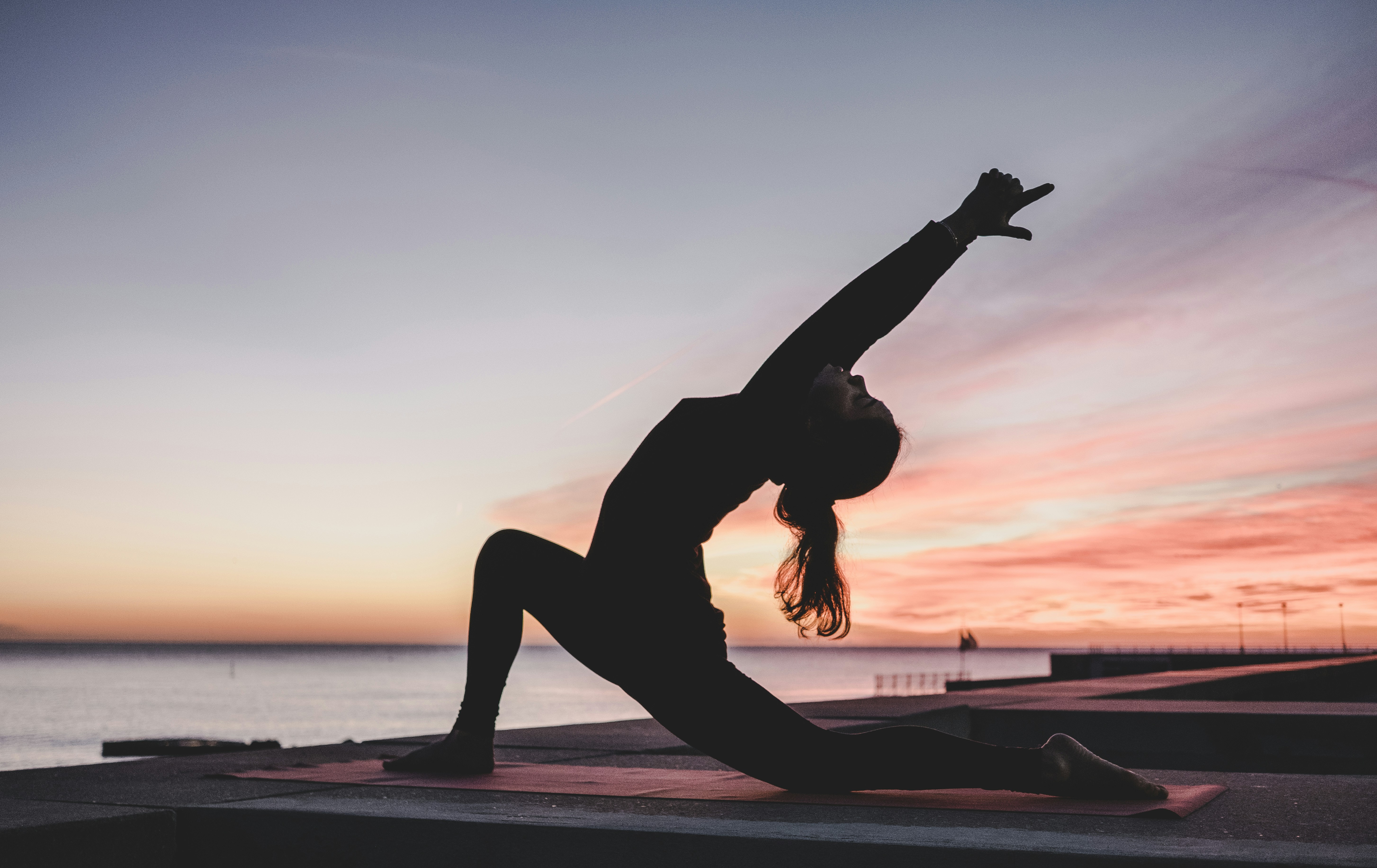
A simple 10-minute morning mobility routine that loosens stiff hips, shoulders, and spine before your day starts — no equipment needed, just ten focused minutes.
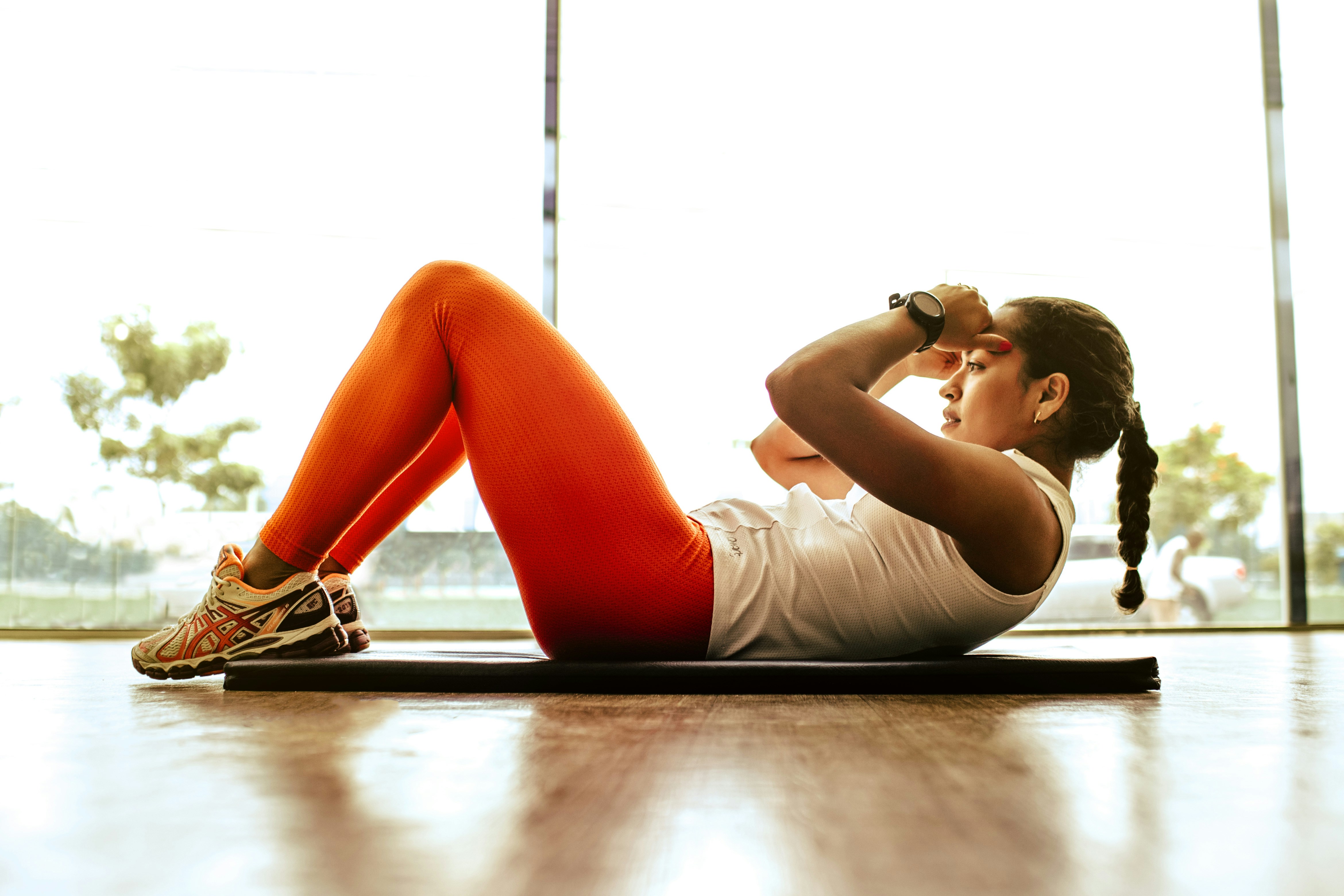
A step-by-step push-up progression for beginners that takes you from wall push-ups to your first full floor push-ups, with clear benchmarks for when to move up.
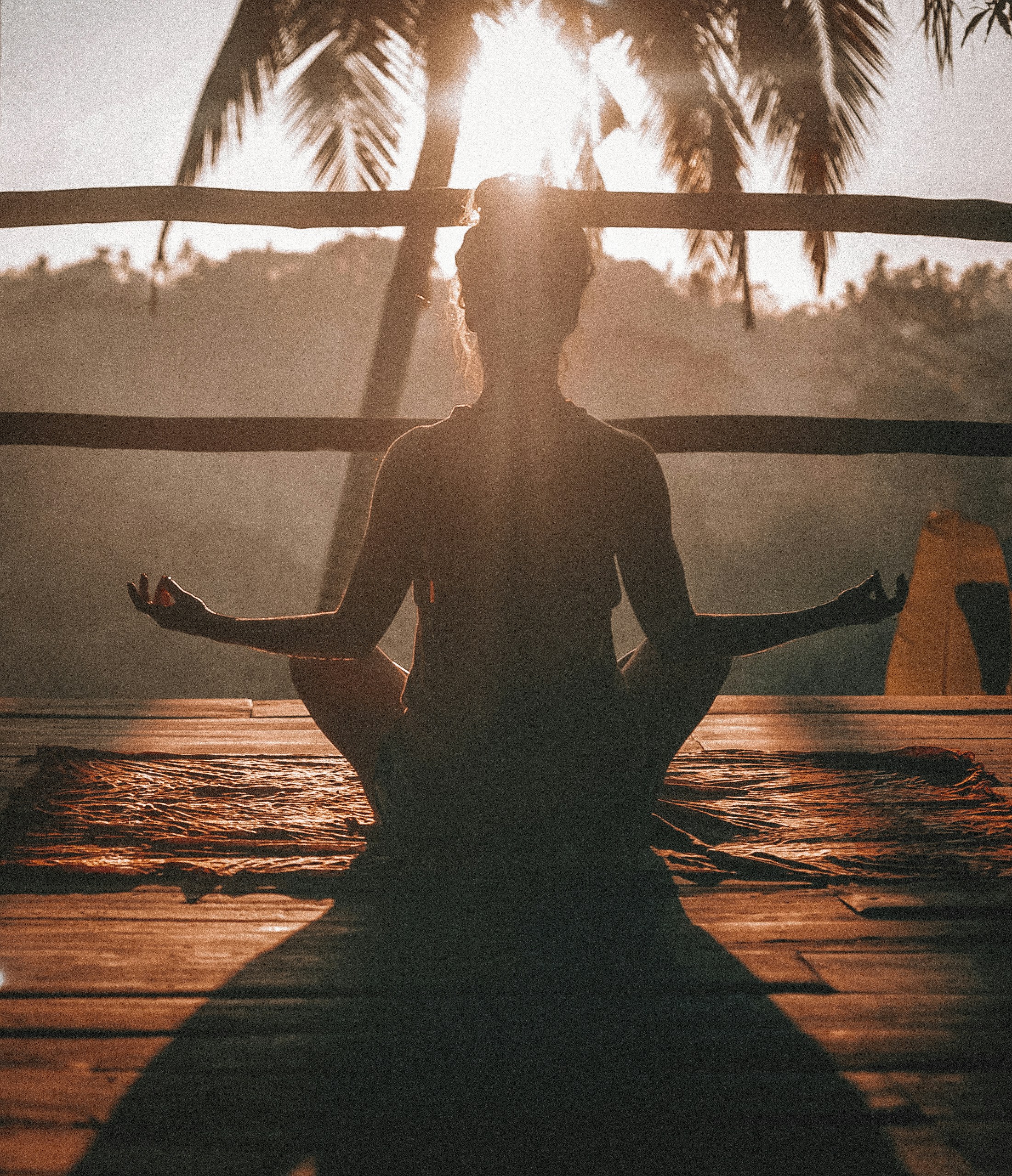
Rest days work better when you move gently. Learn what active recovery actually means, which activities help, and how to tell the difference between recovery and another workout.

Starting trail running? This beginner gear checklist separates the essentials from the nice-to-haves so you can hit the trails safely without overspending.
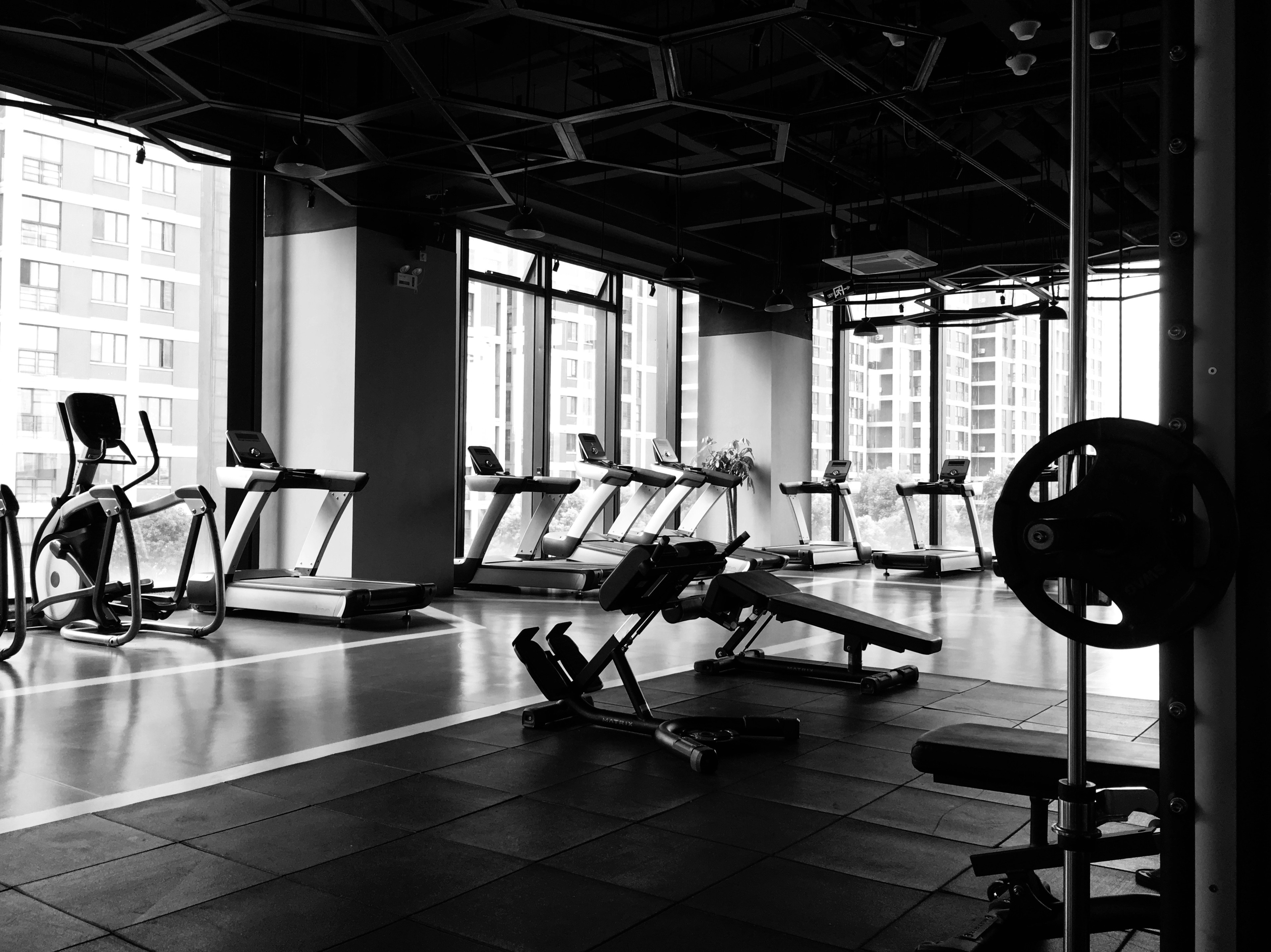
Tight hips shorten your stride and strain your knees. These 8 hip mobility moves for runners take ten minutes and target the exact spots that lock up from running and sitting.
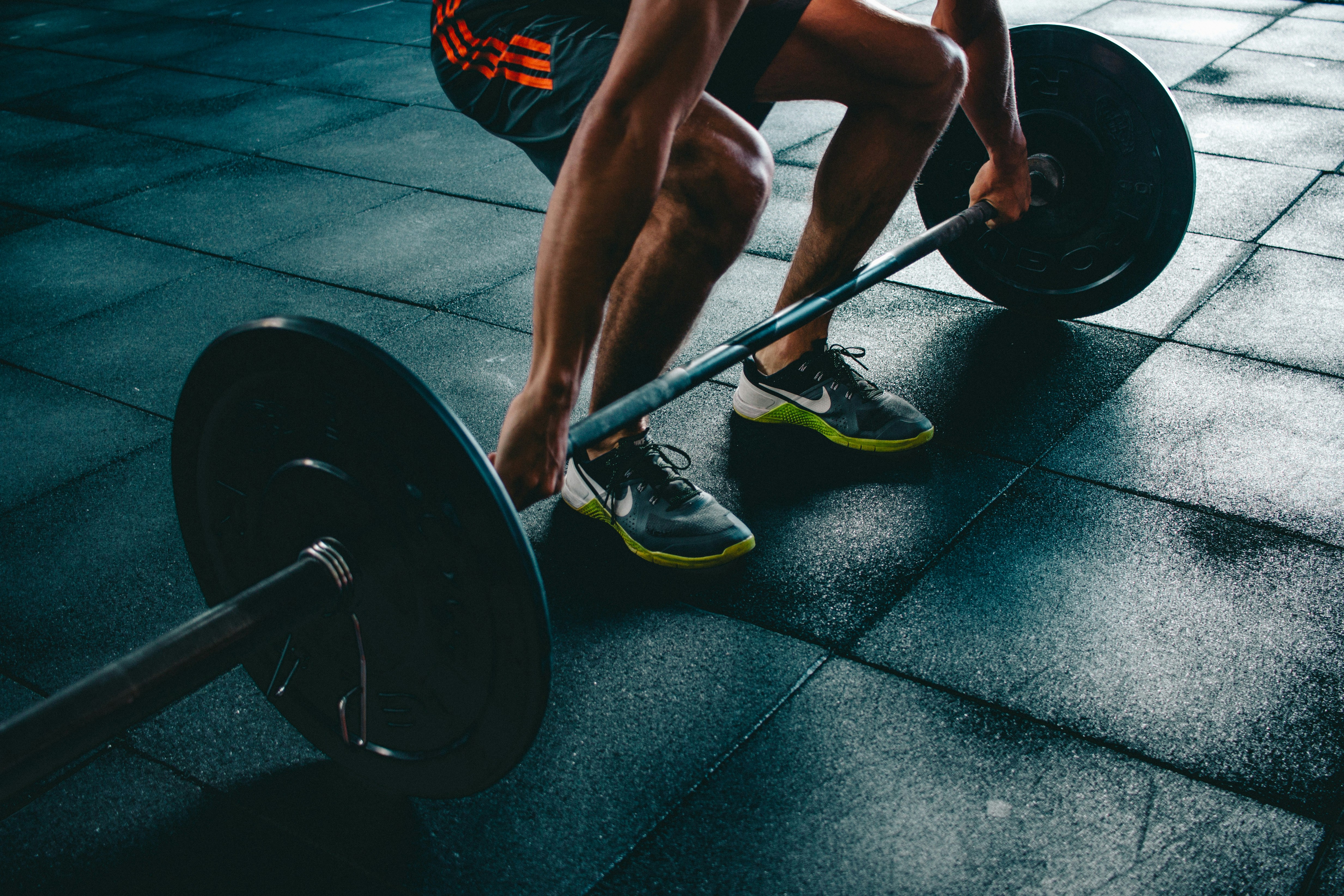
No gym, no problem: this 15-minute core workout without equipment uses four bodyweight moves to build real trunk stability you can use in running, lifting, and daily life.

A realistic walking 10K steps a day plan: find your baseline, ramp up by 1,000 steps a week, and split the total into three short walks that fit a busy schedule.
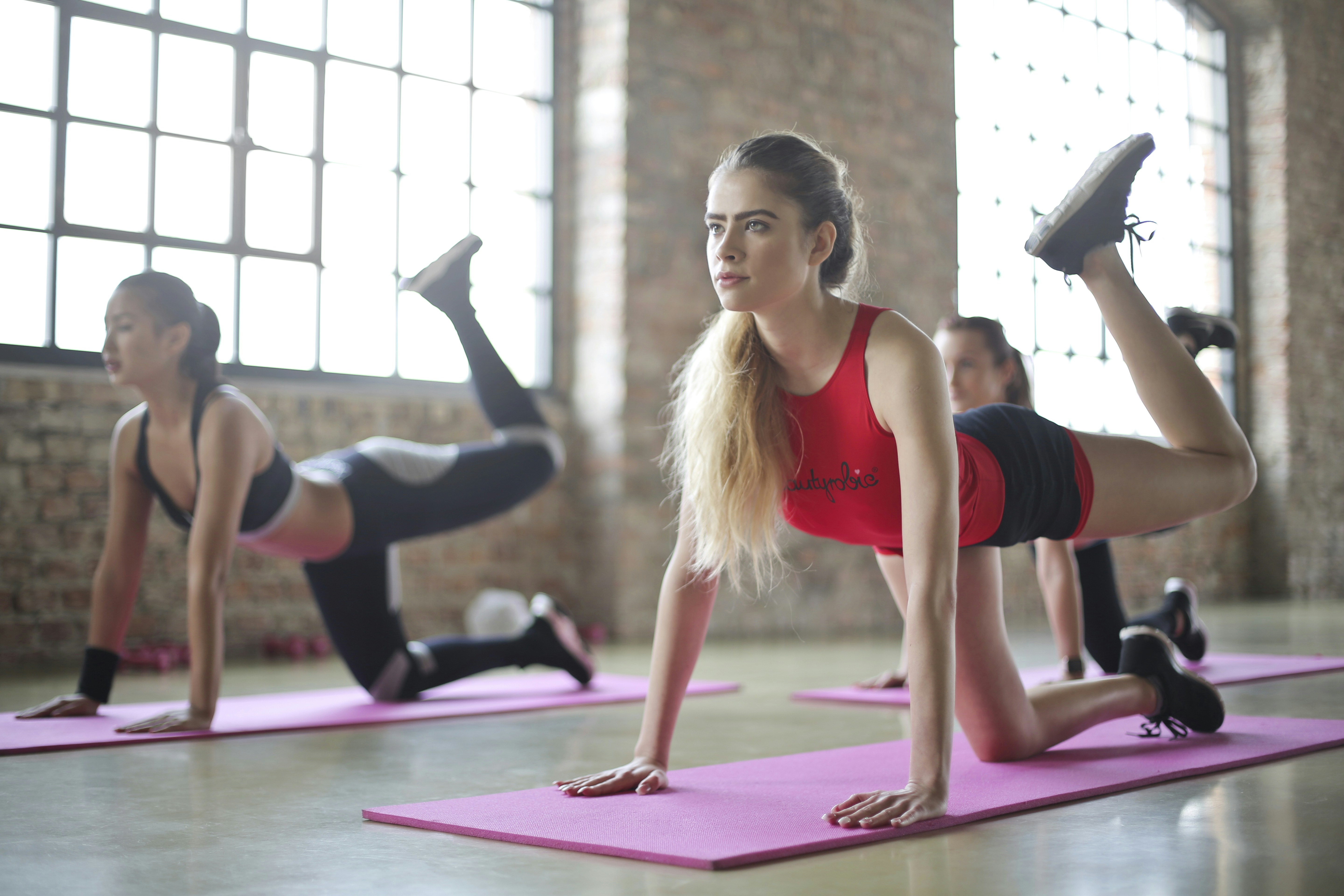
Stretching after leg day won't erase soreness, but this 10-minute routine restores range of motion in quads, hamstrings, glutes, and calves so you move normally tomorrow.

A beginner calisthenics pull-up progression in three stages — hangs, negatives, and band-assisted reps — that takes you to your first strict pull-up in months, not years.
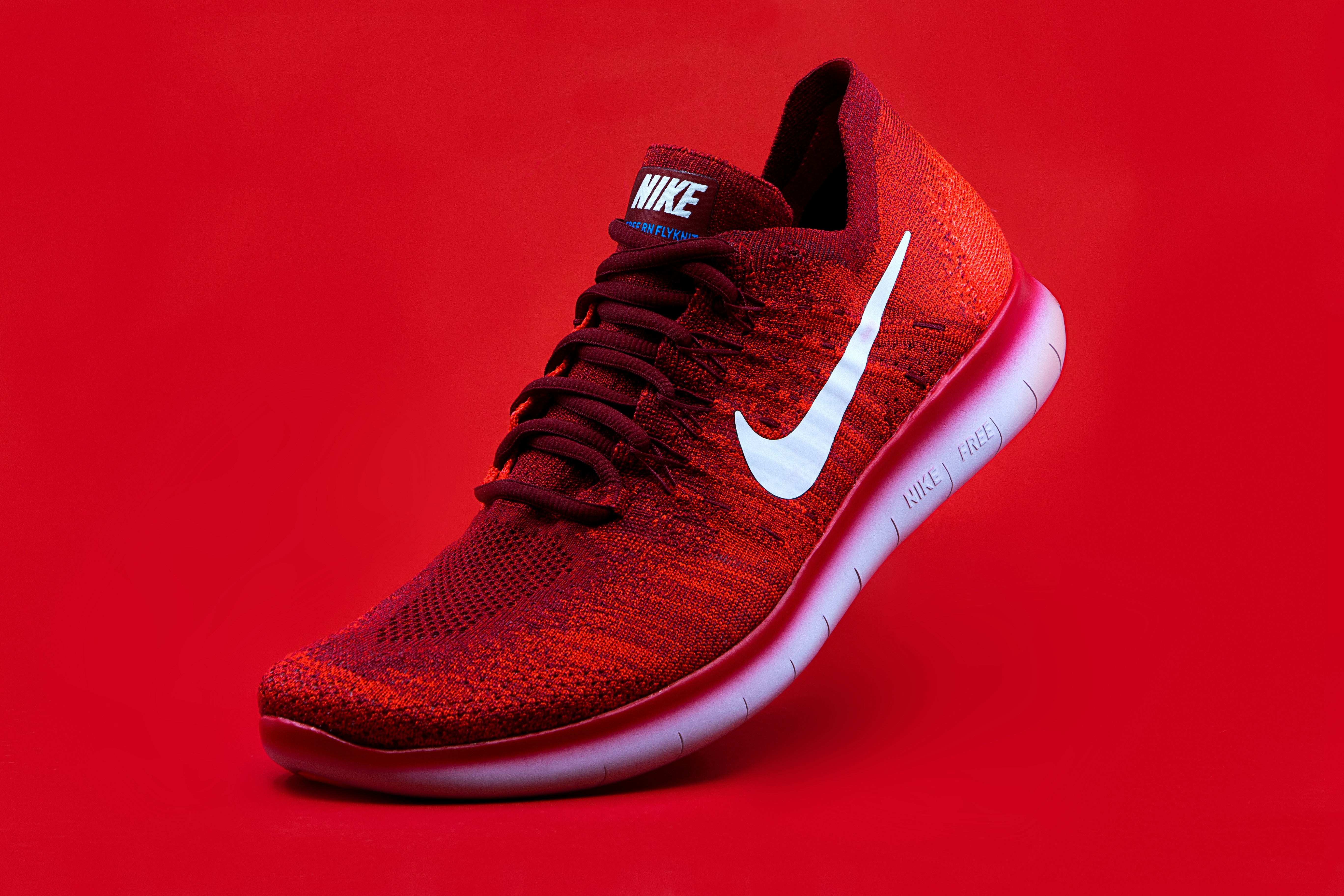
Running shoe rotation explained: why alternating two pairs lowers injury risk, extends shoe life, and how to build a simple two-pair rotation for road and trail running.
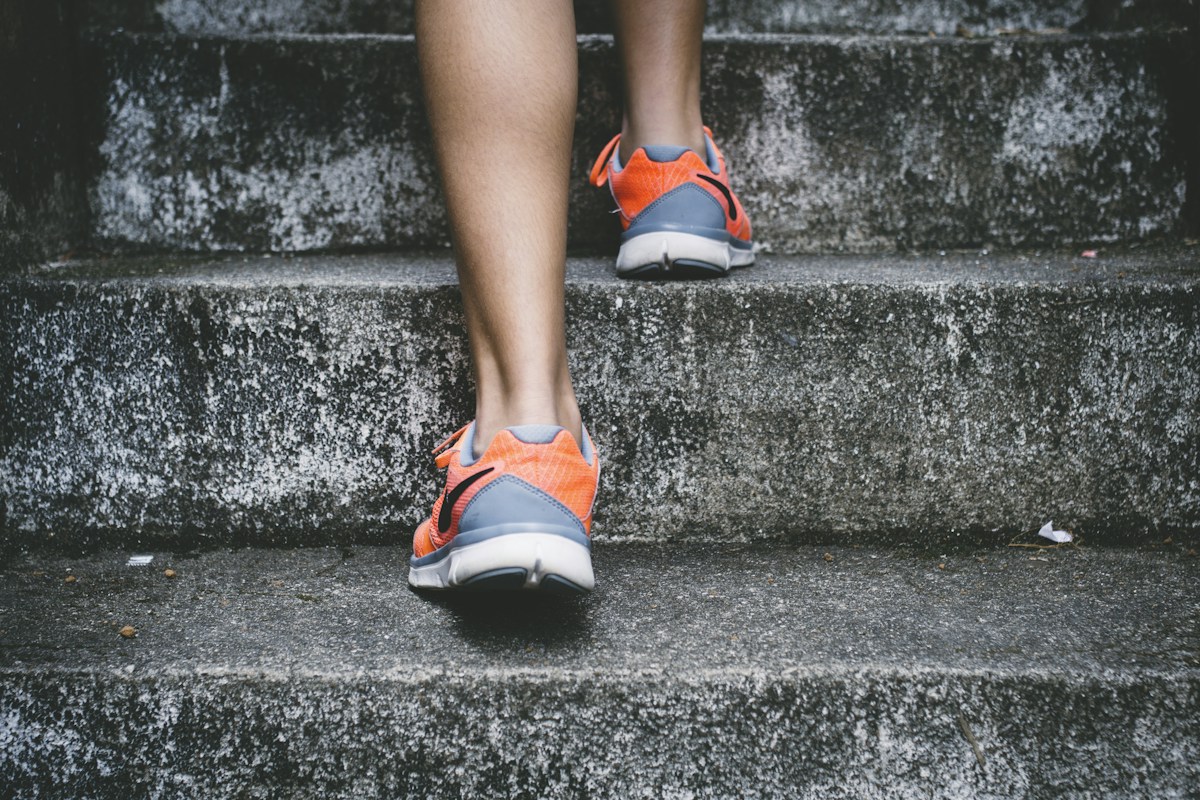
Returning to running after a long break works best with short run-walk intervals, gradual progression, and rest days built in from the start. This eight-week plan helps you reach 5K without burning out or getting hurt.
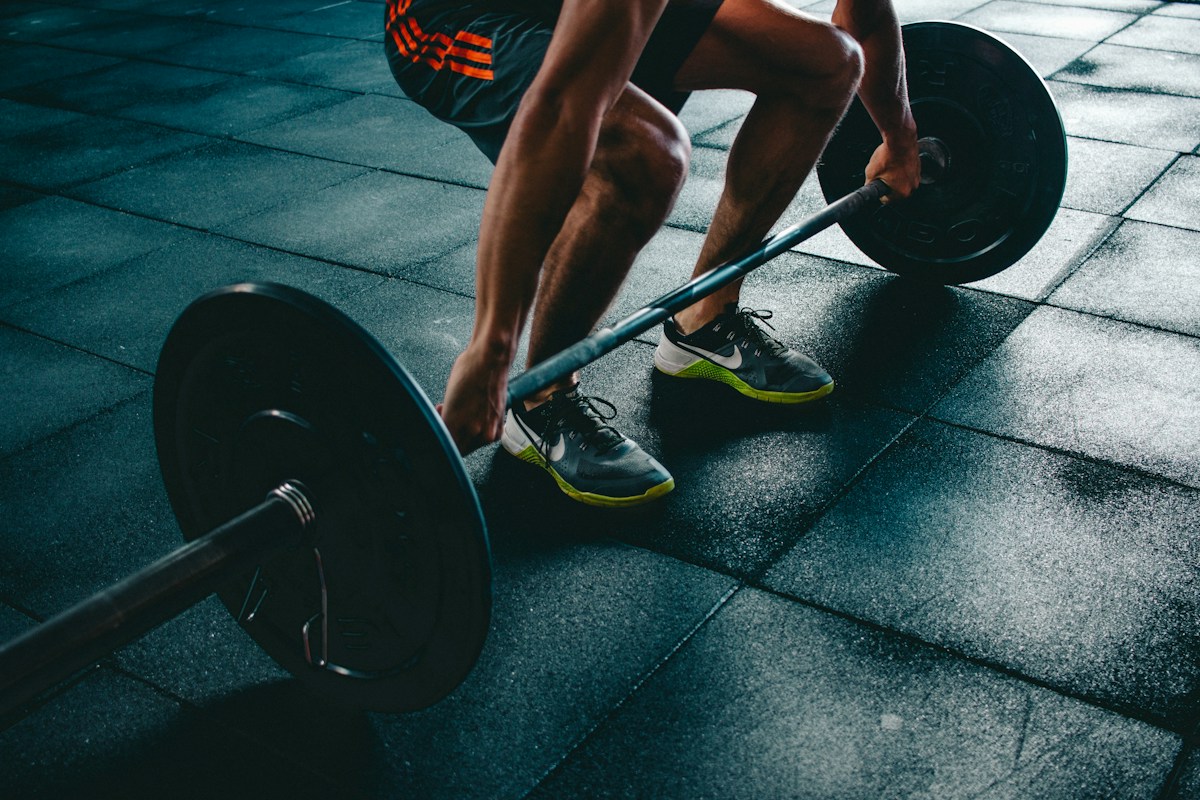
You can build stronger, more capable legs without a gym by using squats, lunges, single-leg work, and slow tempo reps. This home routine takes about 25 minutes and scales from beginner to advanced.
Faster running comes from a mix of easy mileage, one controlled speed session per week, and strength work, not from running hard every day. This guide shows how to build pace safely over eight weeks.
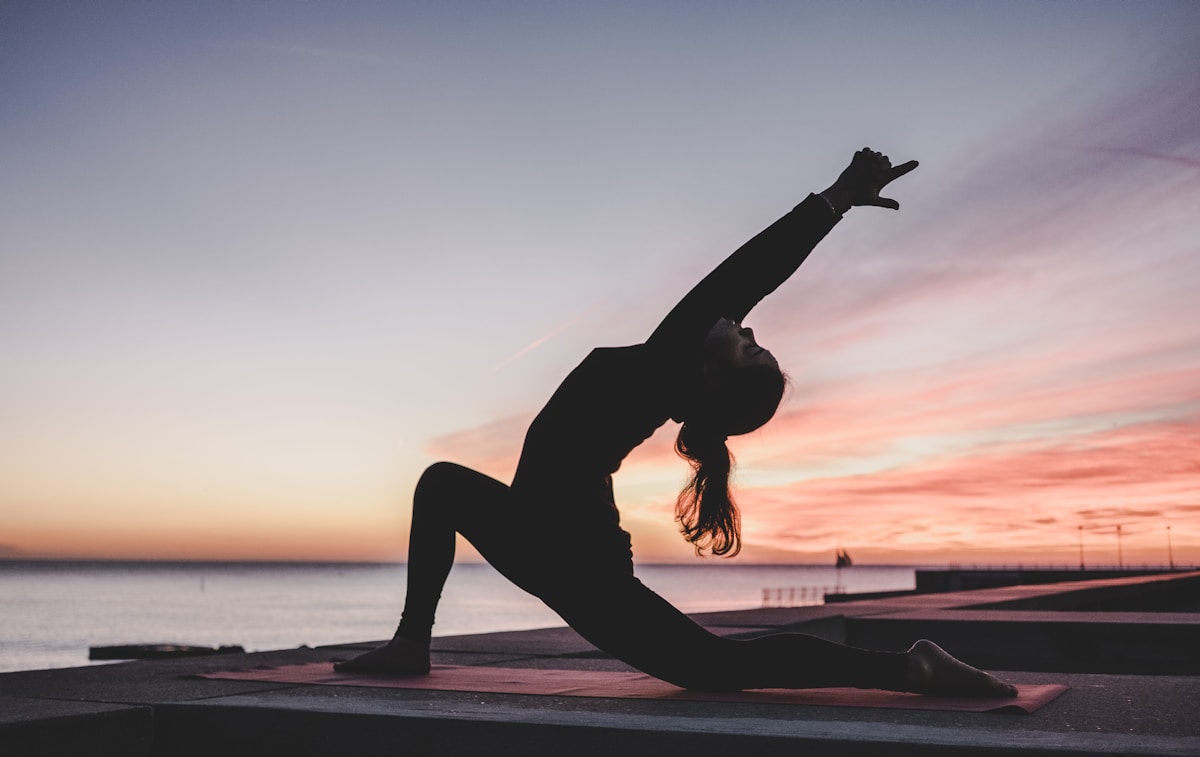
Sitting all day tightens hips, rounds shoulders, and stiffens the back, but ten minutes of targeted stretching can undo much of it. This routine fits into a lunch break and needs no equipment.
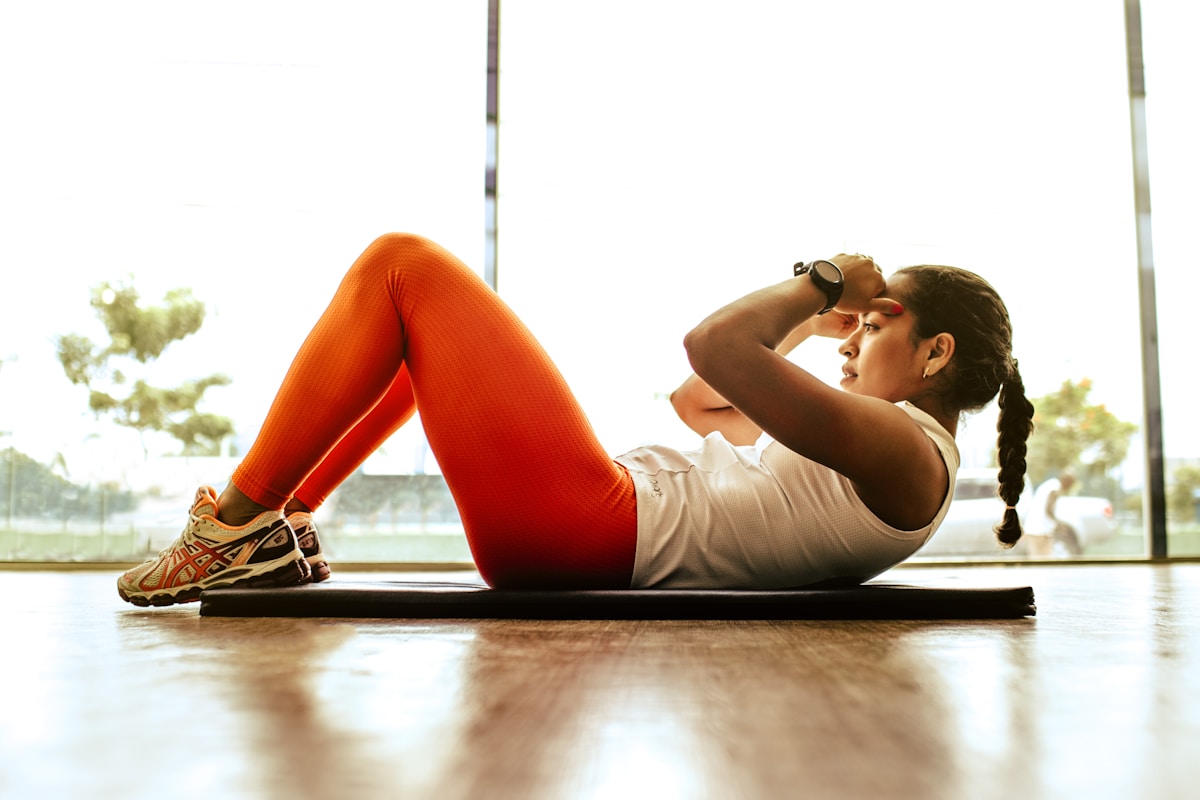
Runners do not need long gym sessions to get stronger, just two focused weekly workouts targeting hips, calves, and core. This plan fits around running and reduces injury risk.
Trail racing rewards patience, hill skills, and smart gear choices more than raw speed. This beginner plan covers training, terrain, and race-day basics for your first trail event.