How to Start Calisthenics at Home With No Equipment
- Primary Signal: How to Start Calisthenics at Home With No Equipment
- Overview: Calisthenics needs nothing but your body and a floor, which makes it the easiest strength training to start. Learn the first moves, a simple weekly plan, and how to progress....
- Verification: Analyzed and compiled by SkyFree Athletics editorial monitoring desk.
Calisthenics is strength training using your own bodyweight, and it is one of the most accessible ways to get strong. You do not need a gym membership, expensive equipment, or even much space. A living room floor and a doorway pull-up bar, if you ever want one, are enough to build real strength. The challenge for beginners is not the exercises themselves, but knowing where to start and how to progress without getting injured or bored.
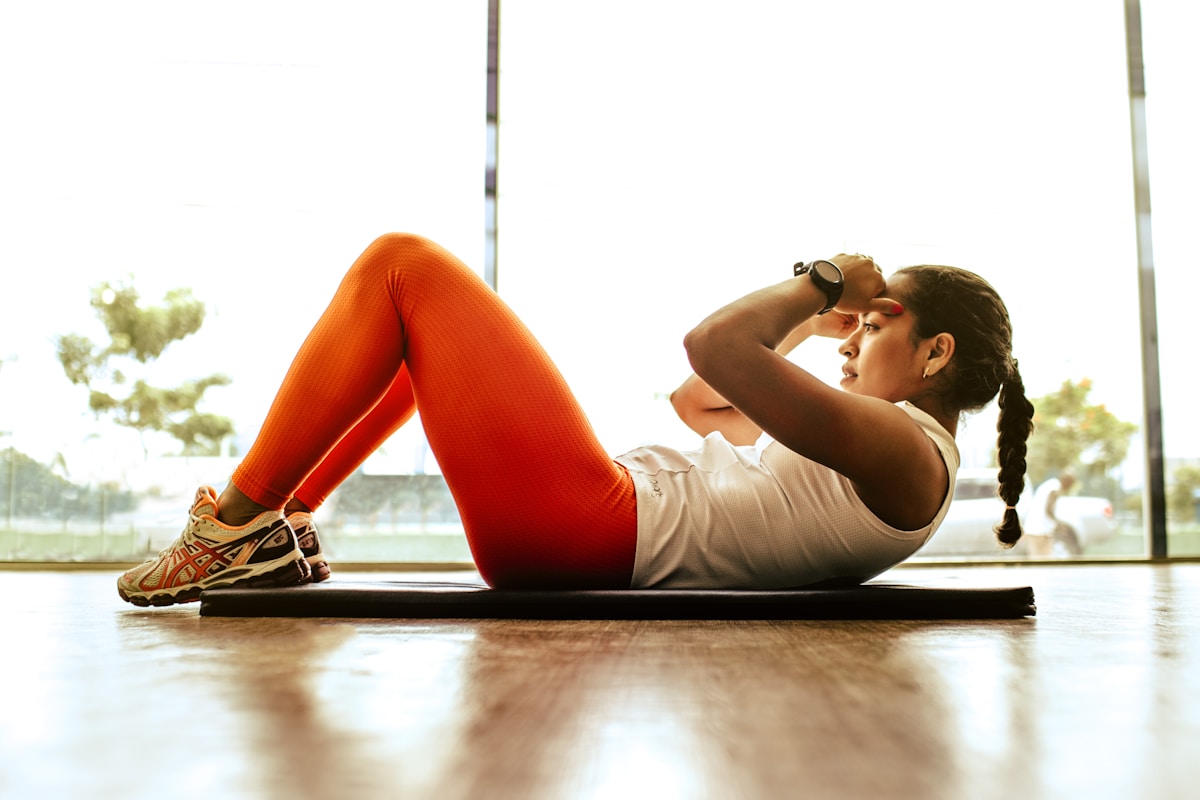
Almost every calisthenics program is built on four basic movements: the push-up, the squat, the pull-up or row, and the plank or hollow hold. Push-ups build the chest, shoulders and triceps. Bodyweight squats build the legs and glutes. Rows and pull-ups build the back and biceps. Planks and hollow holds build the core that connects everything else.
Start with the easiest version of each move that you can do with good form. If full push-ups are too hard, begin with knee push-ups or incline push-ups against a table. If you cannot do a pull-up yet, start with bodyweight rows under a sturdy table or a resistance band. Good form matters far more than the number of repetitions, because sloppy reps teach bad patterns and invite injury.
A good beginner plan uses three sessions a week with at least one rest day between them. Each session covers all four movements, with two to three sets of each, and takes about thirty minutes. A sample session might be three sets of eight push-ups, three sets of twelve squats, three sets of eight rows, and three thirty-second planks, with a minute or two of rest between sets.
Keep a simple log of what you did each session, including sets, reps and how hard it felt. Progress comes from small, steady increases: one more rep per set, one extra set, or a slightly harder variation. Add difficulty only when you can complete all your sets with clean form. Most beginners see noticeable strength gains in the first six to eight weeks, which is encouraging enough to keep going.
The most common mistake is doing too much too soon. Enthusiasm in the first week leads to sore muscles, and soreness leads to skipped sessions, which leads to quitting. Start with less than you think you can handle, and let your body adapt. Mild muscle soreness after a session is normal, but pain in a joint is a signal to stop and check your form.
The second mistake is skipping the warm-up. Five minutes of light movement, arm circles, leg swings and a few easy reps of each exercise, prepares your joints and reduces injury risk. The third is neglecting one movement pattern, usually pulling, because pushing exercises feel more natural. Balanced training keeps your shoulders healthy and your posture strong. Train all four patterns, rest properly, and the results will come.
One more advantage of calisthenics is how easily it fits into a busy life. A session takes thirty minutes, needs no travel, and can be done in a living room, a park, or a hotel room while travelling. That convenience is the reason many people stick with calisthenics long after gym memberships have lapsed. If you miss a session, it is easy to do a short one the next day rather than waiting for the perfect time. Keep a simple record of your progress, perhaps in a notebook or a phone app, because seeing your numbers improve week by week is powerful motivation. And remember that calisthenics skills transfer to everyday life: the strength to pull yourself up, push yourself off the floor, and squat down and stand up again is useful at every age.
Calisthenics is the simplest strength training there is: your body, a floor, and four basic movements. Start easy, train three times a week, progress slowly, and warm up every time. In a few months, you will be stronger than you thought possible without any equipment at all.
More from SkyFree Athletics