A 10-Minute Mobility Routine for Runners: Hips, Ankles, and Everything That Gets Tight
- Primary Signal: A 10-Minute Mobility Routine for Runners: Hips, Ankles, and Everything That Gets Tight
- Overview: Running makes you strong in a straight line and stiff everywhere else. This ten-minute routine targets the hips, ankles, and thoracic spine that runners neglect, and it fits before...
- Verification: Analyzed and compiled by SkyFree Athletics editorial monitoring desk.
Ask a runner where they are tight and the answer is almost always the same: hips, calves, and ankles. Running is a repetitive, straight-line activity, and it builds strength in exactly one plane of motion while the joints that stabilise every step quietly lose range. The result shows up as a knee that aches on downhills, an ankle that rolls on uneven ground, or a stride that slowly shortens over the season.
Mobility work is the fix, and it does not need to take an hour. Ten minutes, three to five times a week, is enough to keep the key joints moving well. This routine targets the three areas that matter most for runners: hips, ankles, and the upper back.
Hips: The Engine Room of Your Stride
Tight hip flexors shorten your stride and pull your pelvis into a tilt, which loads the lower back and the knees. Start with a half-kneeling hip flexor stretch: one knee on the ground, the other foot forward, and gently squeeze the glute of the kneeling leg while shifting your weight forward. Hold for 45 seconds per side, breathing normally.
Follow it with the 90-90 hip switch. Sit with both knees bent at ninety degrees, one leg in front and one behind, then rotate your hips to switch sides without using your hands. Ten slow switches build the internal and external rotation that running never trains. If your hips click or catch, slow down: the goal is smooth control, not range at any cost.
Ankles: The Joint That Decides Your Footstrike
Ankle mobility decides how your foot lands. A stiff ankle forces the foot to land early and the knee to cave inward, which is a classic recipe for shin splints and Achilles irritation. Test yours with a knee-to-wall test: stand facing a wall, toes four inches away, and drive your knee toward the wall without lifting your heel. If the knee cannot touch, your ankles need work.
The fix is a deep calf stretch with a bent knee, held for 45 seconds per side, followed by ankle circles and slow calf raises through a full range. Do ten slow calf raises with a three-second lower, standing on a step so your heels drop below the edge. This builds the eccentric calf strength that absorbs impact on trails and downhills, and it doubles as a warm-up for the Achilles.
Upper Back and Glutes: The Forgotten Half
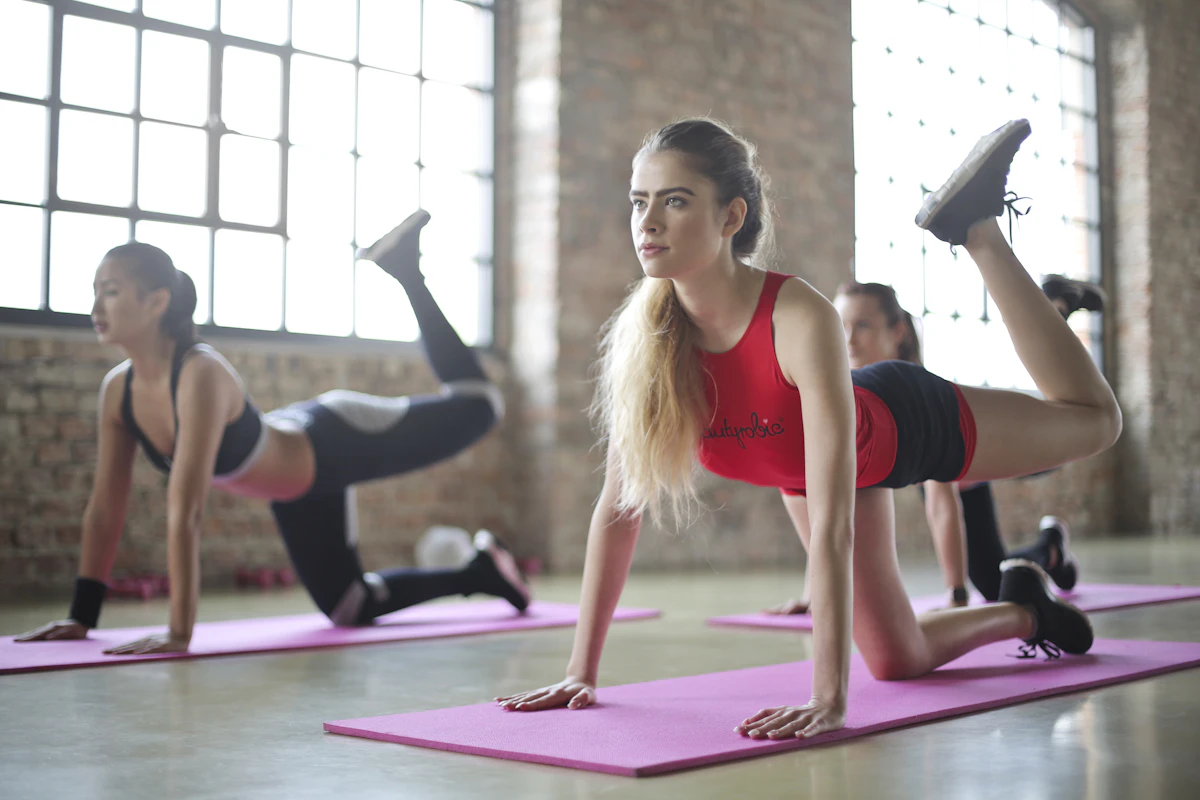
Runners hunch. Hours at a desk plus hours on the trail round the shoulders forward, and a stiff thoracic spine forces the lower back to do the twisting that the upper back should handle. Add a thoracic rotation drill: on all fours, one hand behind your head, rotate your elbow up toward the ceiling and back down, ten slow reps per side.
Finish with glute bridges, two sets of twelve, squeezing hard at the top for two seconds. Strong, awake glutes are what keep your knees tracking straight and your hips level, and most runners' glutes are asleep after a day of sitting. A bridge wakes them up in under a minute, and it is the single best pre-run activation drill there is.
When and How to Do the Routine
Do the full routine after easy runs and on rest days, when your muscles are warm and you can hold stretches comfortably. Before a hard run or a race, use a shorter dynamic version: leg swings, hip circles, and a few walking lunges, and save the long holds for afterwards. Static stretching a cold muscle before a hard effort does not help performance.
Consistency beats intensity. Ten minutes three times a week for a month will change your stride more than one heroic hour-long session. Pair the routine with a simple rule: if a joint feels stiff two runs in a row, give it five extra minutes that week. Your knees, ankles, and hips will thank you on the trails that used to hurt.
More from SkyFree Athletics


