A step-by-step handstand push-up progression with clear pass marks at every stage, so you build the strength and balance to press your first strict wall rep without wrecking your shoulders.

Archive: 2026
307 stories published in 2026
Running uphill well is a skill, not just fitness. Learn the posture, cadence, and arm-drive cues that make climbs cheaper, faster, and far kinder to your knees.
Sore wrists are the most common complaint in calisthenics, and most of the time they are fixable. Here is what causes the pain, what actually helps, and how to keep training while you heal.
Australian pull-ups are the most underrated back exercise in calisthenics. Learn the form, the progressions from easy to hard, and how to program them toward your first strict pull-up.
You do not need a barbell to build strong legs. This guide walks you through pistol squat progressions, from assisted squats to a full single-leg squat, plus a complete no-equipment leg session.
Downhill running is where trail races are won and knees are lost. Learn the footwork, posture, and braking control that let you descend quickly without the days of quad soreness afterward.
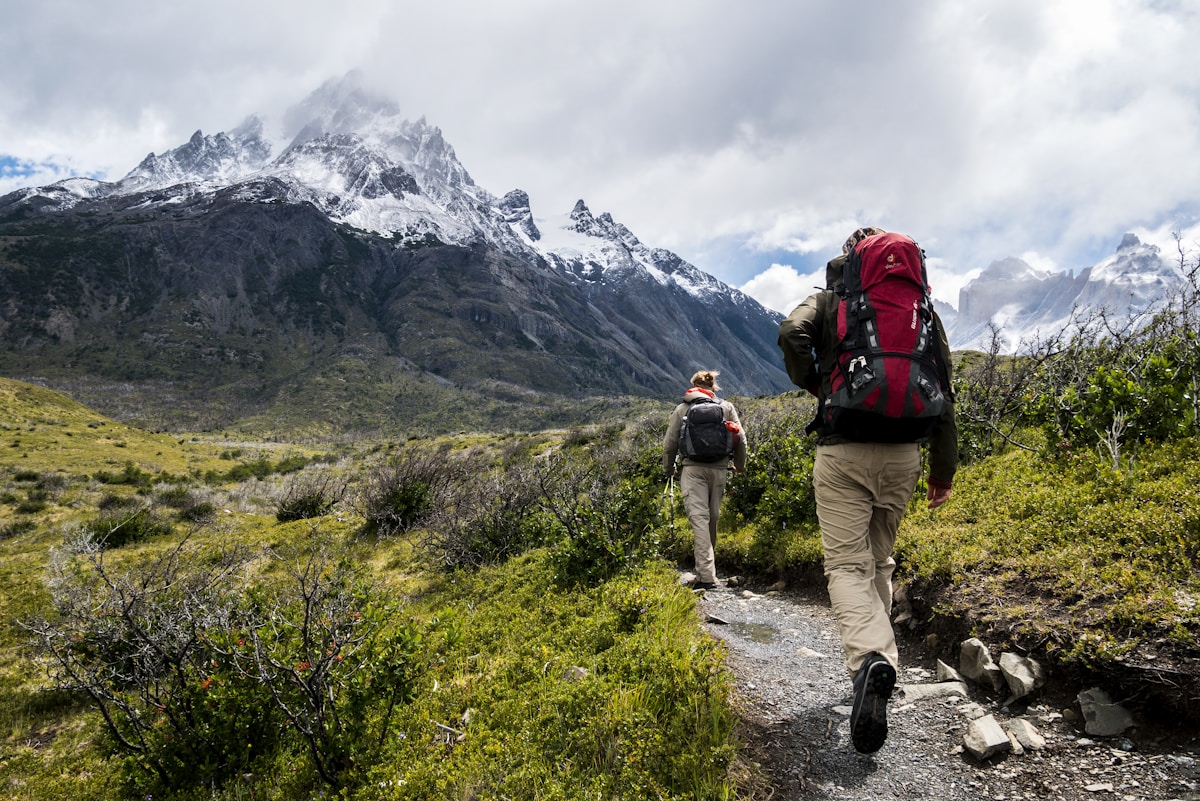
That dull ache behind your kneecap is runner's knee, and rest alone rarely fixes it. Here is why hills flare it up, which strength exercises actually help, and when to keep running versus when to stop.
Skin the cat is the single best shoulder mobility exercise in calisthenics. Learn the safe progression, the mistakes that cause pain, and how it builds the flexibility behind levers, muscle-ups, and handstands.
A proper calisthenics warm-up takes ten minutes and saves you months of injury rehab. Follow this routine before every session to prepare your wrists, shoulders, and core for the work ahead.
A pull-up bar is the single most useful piece of calisthenics equipment you can own. This guide builds a complete at-home routine around it, with progressions for beginners and advanced athletes alike.
Push-ups build real muscle, but only if the dose and difficulty match your level. Here is how many to do per day, how to progress when they get easy, and when more reps stop helping.
Both calisthenics and weightlifting build real strength, but they suit different beginners. Compare cost, learning curve, injury risk and long-term progress to pick the right starting point.
Can you run trails in road shoes? Sometimes, but the differences in grip, protection and stability matter more than marketing suggests. Here is when each shoe type works and when it does not.
Uphill running wrecks your breathing before your legs give out. Learn a simple rhythm that keeps oxygen flowing, when to switch to power hiking, and why nose breathing is not always the answer.
Trail running punishes weak ankles more than any other sport. These simple strengthening exercises build the stability that prevents sprains and keeps you confident on uneven ground.
Altitude camps promise fitter blood and faster racing, but the gains are smaller and slower than the hype. Here is what high-altitude training really does, who it helps, and the risks worth knowing first.
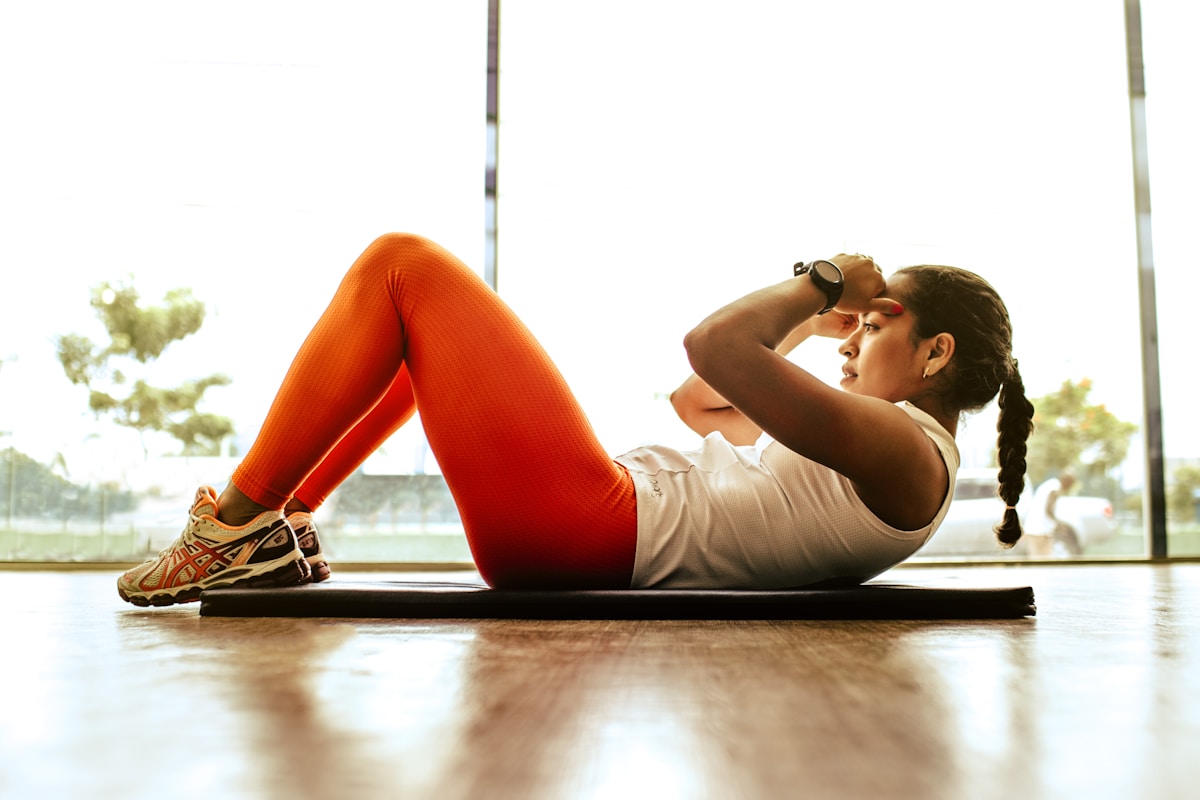
A strong core needs no gym and no crunches. This no-equipment routine trains the whole midsection with holds, anti-rotation work and dynamic moves you can do in fifteen minutes.
The muscle-up is a pull-up, a transition and a dip in one movement, and it takes months to earn cleanly. This step-by-step progression covers prerequisites, explosive pull-ups and transition drills.
Training breaks muscle down; rest builds it back stronger. Here is how many rest days calisthenics athletes really need, how to spot under-recovery, and how to use active recovery and deload weeks.