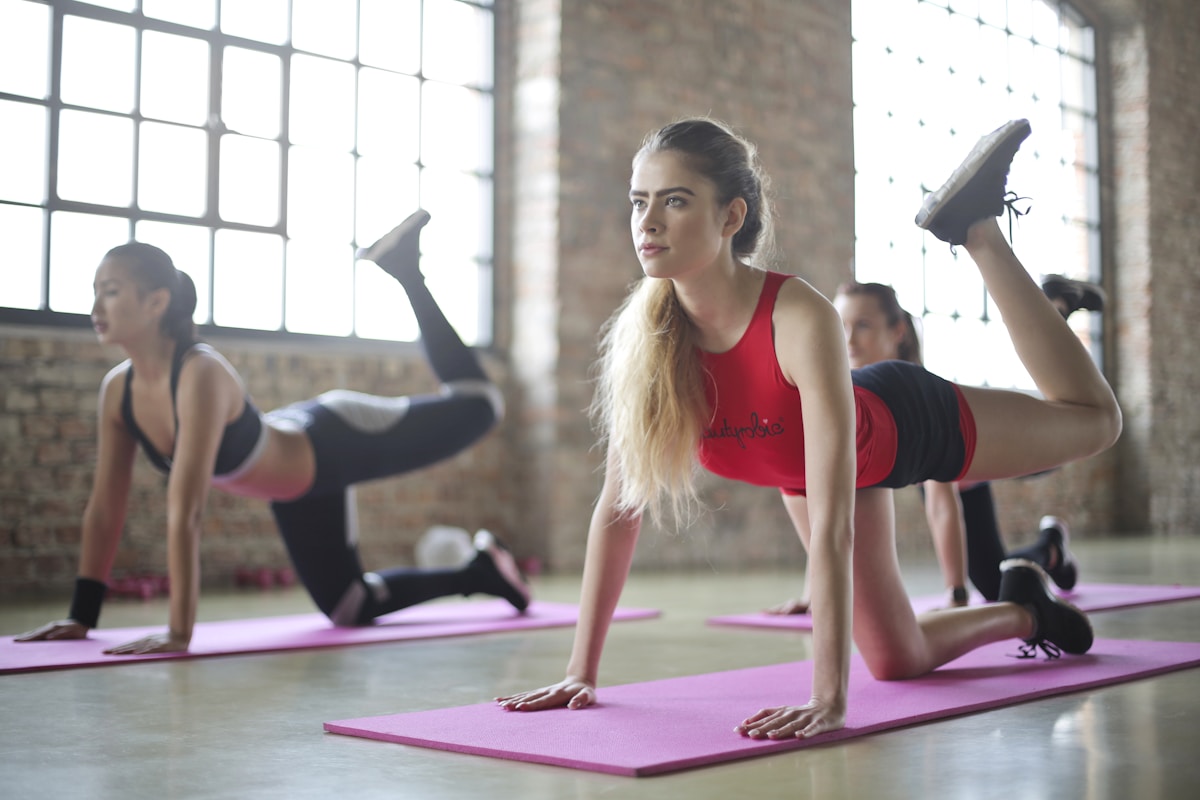
Calisthenics vs Weights for Beginners: Which Builds Strength Faster?
Both calisthenics and weight training build strength, but they differ in cost, progression, and the skills they unlock. Here is how to choose.
105 stories published in November 2026
Both calisthenics and weight training build strength, but they differ in cost, progression, and the skills they unlock. Here is how to choose.

Rhythmic breathing, matching inhales and exhales to your footsteps, stops side stitches and keeps your pace steady on every run.
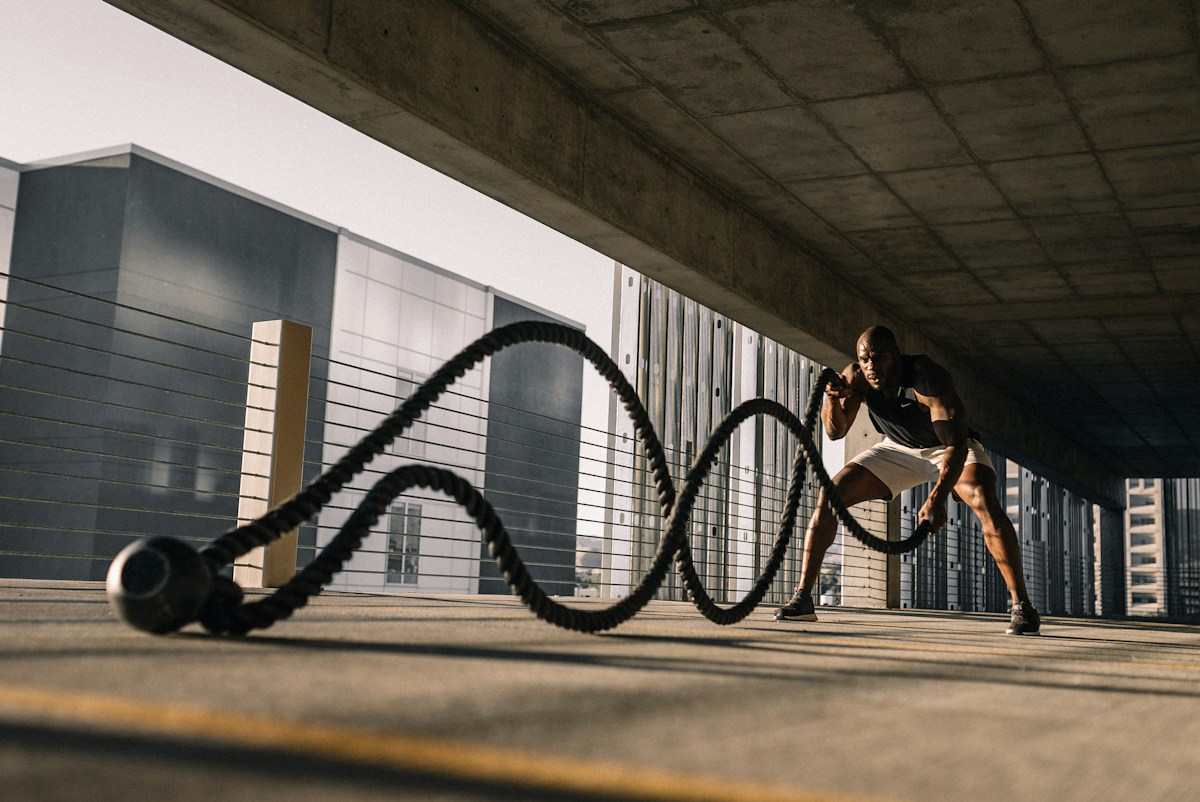
A bar muscle-up needs explosive pull-ups, a strong dip, and a practiced transition. This progression builds all three in order.
Most runners burn about 300 to 400 calories running a 5K. A 70 kg runner burns about 350 calories, because running burns roughly 1 calorie per kilogram of body weight per kilometre.
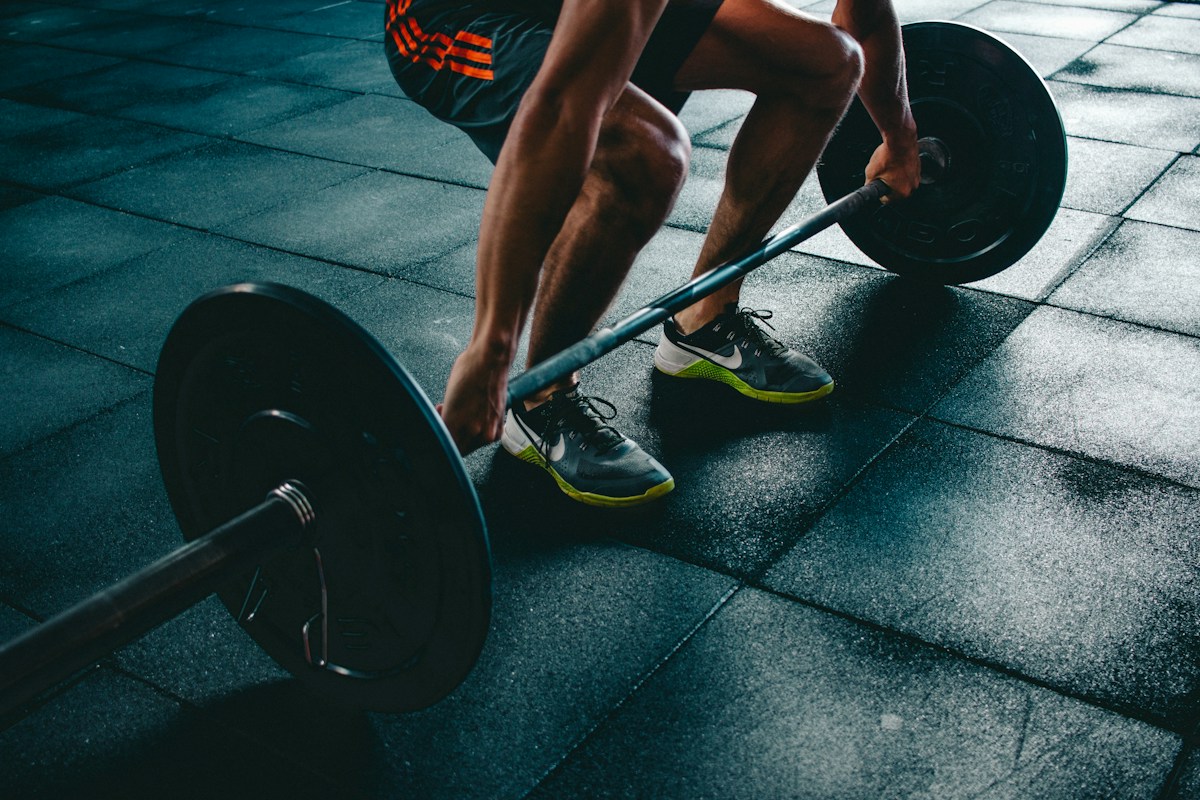
Grease the groove turns pull-up practice into a daily habit of small, fresh sets instead of one exhausting workout. Learn the set size, daily volume, and progression that actually raise your max.
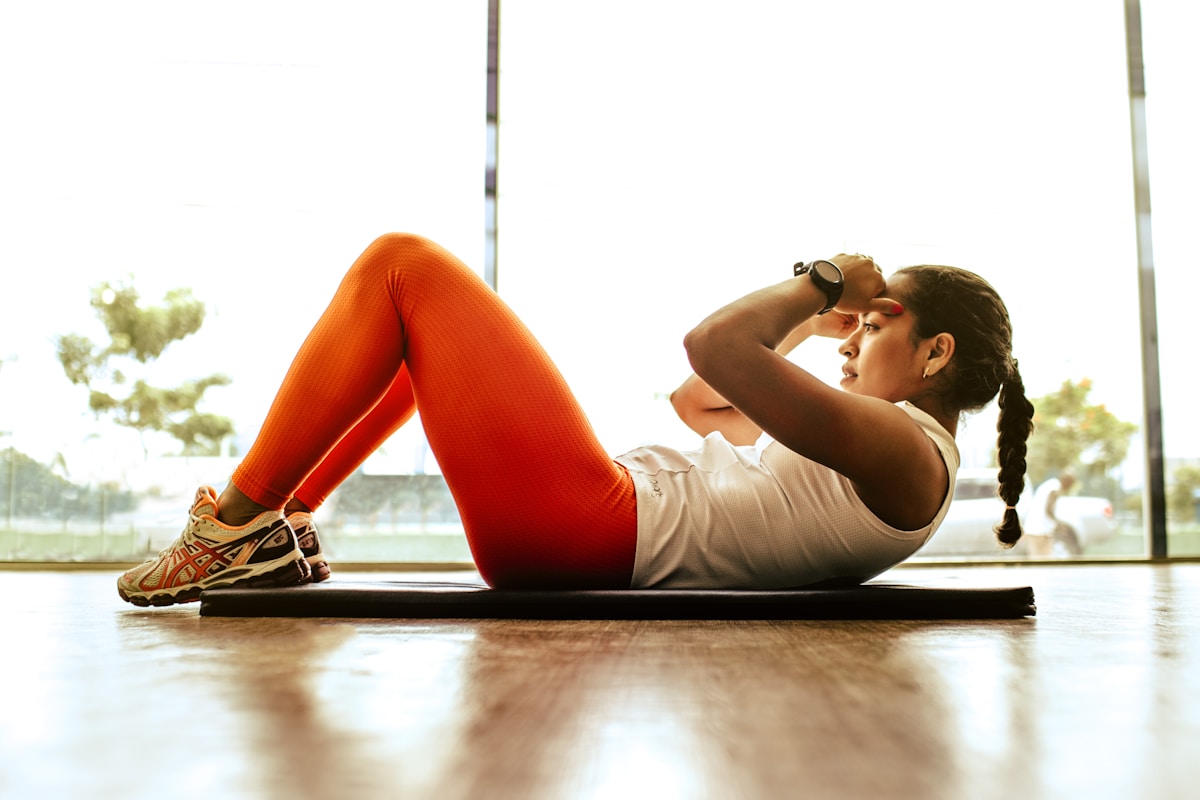
The false grip is the hidden skill behind a strict muscle-up, and it is also the reason many attempts fail at the transition. Here is how to build it gradually, without wrecking your wrists.

Downhill running hammers your quads with eccentric braking forces that flat running never produces. Understand why the soreness lasts so long and what actually speeds recovery.
No bar does not mean no back training. With a table, a towel, and a doorway, you can build a complete pulling workout that covers your lats, upper back, and rear delts.
Ankle sprains are the most common trail running injury, and most are preventable. Strong ankles, the right shoes, and smarter footwork cut your risk dramatically.
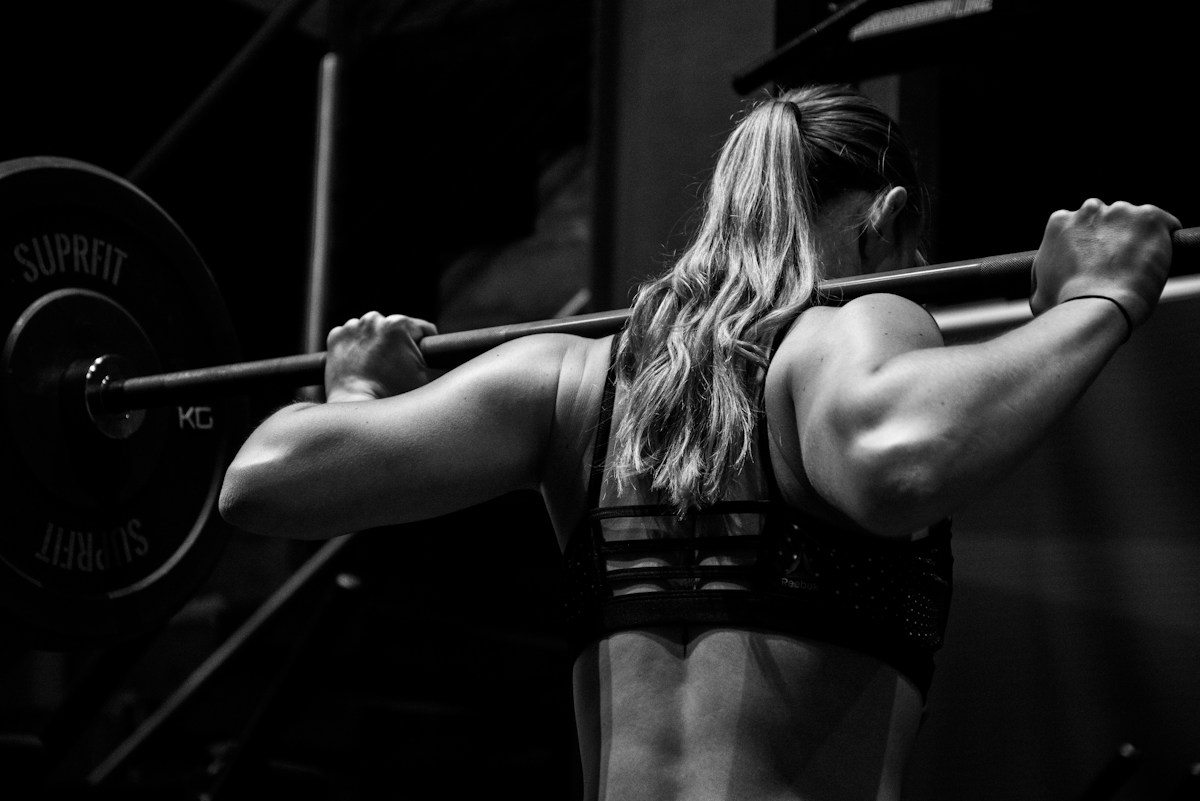
A push pull legs split gives every movement pattern its own day and keeps your training balanced. Here is how to set it up, what each day looks like, and how to progress it.

Rain and mud do not have to cancel your trail run. Slower paces, shorter strides, the right lugs, and a warm-while-wet clothing plan turn bad weather into good training.
A dead hang looks like doing nothing, but it builds grip strength, decompresses your spine, and trains shoulder stability. Learn how long to hang and how to progress safely.
Bodyweight training can build muscle for skinny trainees, but only with progressive variations and enough food. Here is the honest formula: harder exercises, a real calorie surplus, and patience.
Dips load the shoulder in deep extension, and excessive depth, bad form, or too much volume often cause pain. Learn the fixes that keep dips in your program and when pain means stop.
A step-by-step handstand push-up progression with clear pass marks at every stage, so you build the strength and balance to press your first strict wall rep without wrecking your shoulders.
Running uphill well is a skill, not just fitness. Learn the posture, cadence, and arm-drive cues that make climbs cheaper, faster, and far kinder to your knees.
Sore wrists are the most common complaint in calisthenics, and most of the time they are fixable. Here is what causes the pain, what actually helps, and how to keep training while you heal.

Australian pull-ups are the most underrated back exercise in calisthenics. Learn the form, the progressions from easy to hard, and how to program them toward your first strict pull-up.
You do not need a barbell to build strong legs. This guide walks you through pistol squat progressions, from assisted squats to a full single-leg squat, plus a complete no-equipment leg session.
Downhill running is where trail races are won and knees are lost. Learn the footwork, posture, and braking control that let you descend quickly without the days of quad soreness afterward.
That dull ache behind your kneecap is runner's knee, and rest alone rarely fixes it. Here is why hills flare it up, which strength exercises actually help, and when to keep running versus when to stop.
Skin the cat is the single best shoulder mobility exercise in calisthenics. Learn the safe progression, the mistakes that cause pain, and how it builds the flexibility behind levers, muscle-ups, and handstands.
A proper calisthenics warm-up takes ten minutes and saves you months of injury rehab. Follow this routine before every session to prepare your wrists, shoulders, and core for the work ahead.
A pull-up bar is the single most useful piece of calisthenics equipment you can own. This guide builds a complete at-home routine around it, with progressions for beginners and advanced athletes alike.