Calisthenics Warm-Up Routine: 10 Minutes That Protect Your Shoulders and Wrists
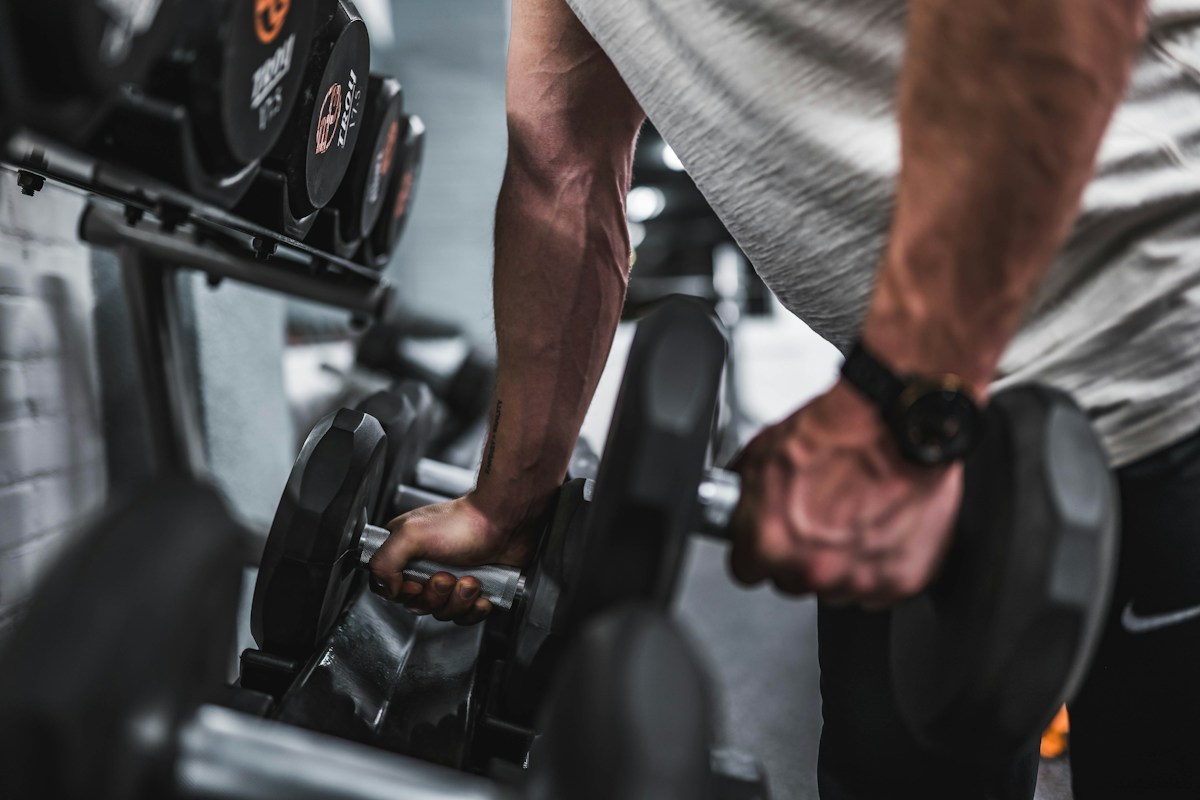
- Primary Signal: Calisthenics Warm-Up Routine: 10 Minutes That Protect Your Shoulders and Wrists
- Overview: A proper calisthenics warm-up takes ten minutes and saves you months of injury rehab. Follow this routine before every session to prepare your wrists, shoulders, and core for the w...
- Verification: Analyzed and compiled by SkyFree Athletics editorial monitoring desk.
Most calisthenics injuries do not happen during the hard sets. They happen because the athlete jumped straight into pull-ups or handstands with cold wrists, stiff shoulders, and a nervous system that was still asleep. A ten-minute warm-up fixes that, and it is the cheapest injury insurance you will ever buy.
Start with two minutes of general movement: jumping jacks, light jogging in place, or skipping. The goal is simply to raise your body temperature and heart rate. Then spend three minutes on your wrists, since they take the most load in calisthenics. Do wrist circles in both directions, gentle extension stretches against the floor, and slow weight shifts in a quadruped position, rocking forward and back over your hands.
Next, three minutes for your shoulders. Do arm circles, band pull-aparts, and scapular push-ups to wake up the muscles that stabilize the shoulder blade. Add a few slow skin-the-cat partials on rings or a bar if you can do them comfortably. Finish with thoracic spine rotations in a quadruped position to open up the upper back, which directly affects your overhead position.
The final two minutes are specific to your session. If you are training handstands, do wall handstand holds and shoulder taps. If it is a pulling day, do dead hangs and scapular pulls. If it is a pushing day, do slow incline push-ups and dip supports. Specific preparation bridges the gap between a general warm-up and your first working set.
A good warm-up has a simple test: your wrists feel loose, your shoulders feel warm, and your first working set feels smooth instead of stiff. If you still feel creaky, take another two minutes. The workout will wait, and your joints will last longer for it.
Make the warm-up non-negotiable. Ten minutes before every session is a small price for shoulders and wrists that stay healthy for years of training.
The biggest warm-up mistake is skipping it when you are short on time. A five-minute warm-up is far better than none, so if you only have five minutes, do the wrist work and a few shoulder movements rather than jumping straight into working sets. The second mistake is warming up with static stretching only. Static holds before training can temporarily reduce strength, so save deep stretches for after the session and use dynamic movements before it. The third mistake is warming up the wrong things: if you are training handstands, warming up your legs does not help your shoulders.
Another common error is treating the warm-up as a separate chore instead of part of the session. The best athletes use the warm-up to practice the skill itself at low intensity: slow wall handstand holds before handstand push-up work, easy Australian pull-ups before heavy rows, and controlled scapular pulls before pull-ups. This way the warm-up is not wasted time; it is the first sets of your training, done light. Build the habit, protect it fiercely, and your body will reward you with years of pain-free training.
In the end, a warm-up is a habit, and habits are built by making them easy to start. Lay out your bands the night before, keep your routine written on a card near your training spot, and do it the same way every session until it feels automatic. Ten minutes of preparation protects years of training, and the athletes who stay healthy the longest are almost always the ones who never skip the warm-up.
📖 Continue Reading the Full Story
Continue reading this article on SkyFree Athletics.
⚡ Access Full Content NowMore from SkyFree Athletics


 🛍️ Caylin Shop
Coffee Mug Warmer Buying Guide: Keep Every Cup Hot
A coffee mug warmer stops your drink going cold at your desk. Here is how to choose one: temperature settings,...
 💎 LuxeLiving 768
Crypto APY Calculator UK: Staking Rewards Guide for 2026
UK crypto investors: calculate staking rewards with APY vs APR explained, tax notes for HMRC, and the best sta...
 ✈️ SkyFree Club
Cheapest Ways to Book Business Class to Europe With Points in 2026
Business class to Europe can cost 60,000 points or 200,000 — the difference is the program you book through. H...
 🖋️ SkyFree Chronicles
Traditional vs Self-Publishing in 2026: How to Choose the Right Path for Your Book
Traditional publishing offers prestige and bookstore reach; self-publishing offers speed, control, and 70 perc...