Rest-Day Active Recovery: What to Do on Your Day Off
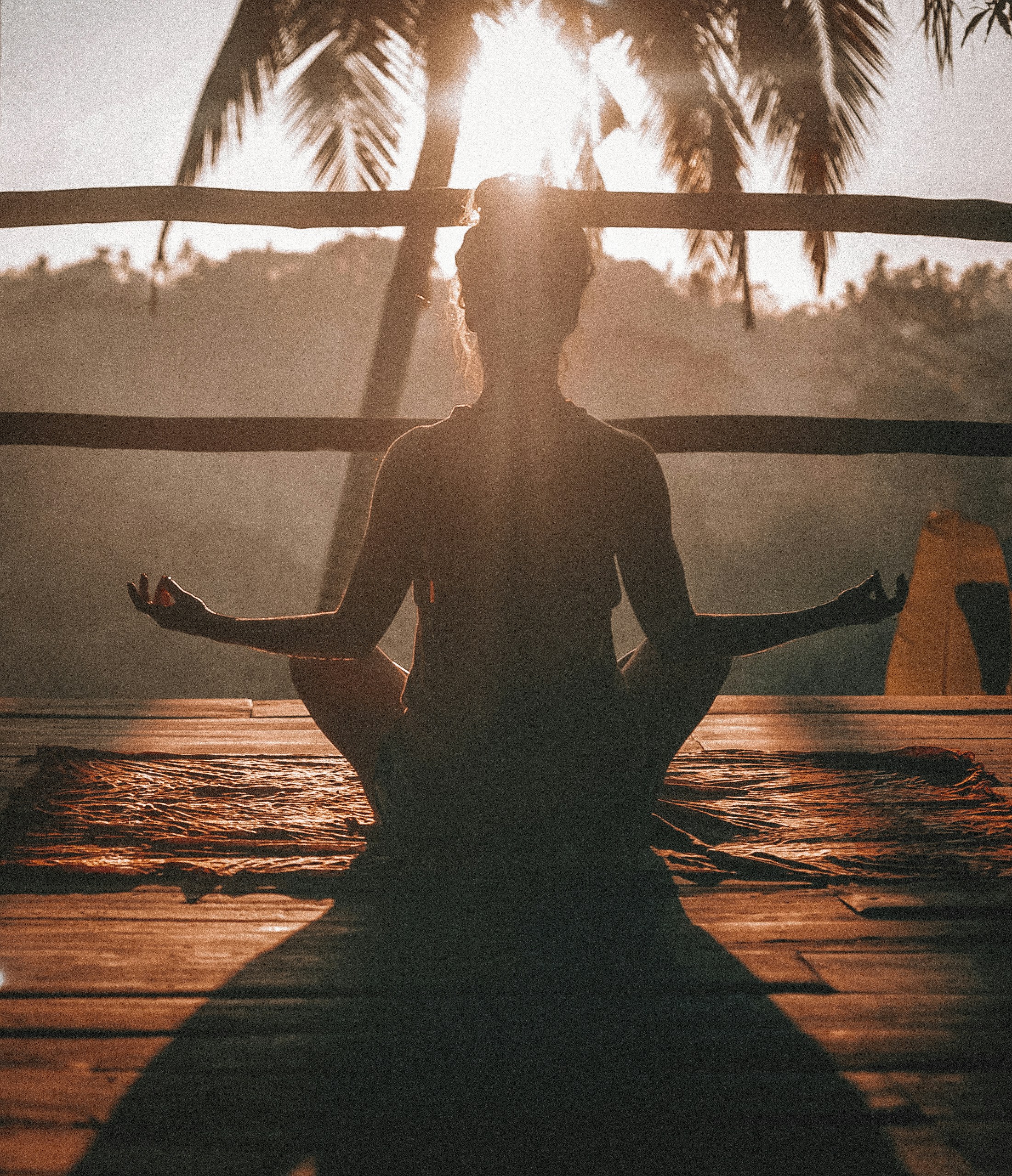
- Primary Signal: Rest-Day Active Recovery: What to Do on Your Day Off
- Overview: Rest days work better when you move gently. Learn what active recovery actually means, which activities help, and how to tell the difference between recovery and another workout....
- Verification: Analyzed and compiled by SkyFree Athletics editorial monitoring desk.
A rest day does not have to mean a couch day. Active recovery — gentle movement on your days off — can reduce soreness, improve blood flow, and leave you fresher for your next hard session than total inactivity. The key word is gentle: the effort should feel easy enough that you could hold a conversation the whole time, and you should finish feeling better than you started, not tired.
The best active recovery activities are low-impact and rhythmic. Walking is the simplest and most underrated option: thirty to forty-five minutes at a relaxed pace moves blood through sore muscles without adding fatigue. Easy cycling, light swimming, and gentle yoga all work the same way. What they share is continuous, easy movement that raises your heart rate only slightly and never leaves you breathless.
Mobility and foam rolling also belong on rest days, but keep them relaxed. Spend ten to fifteen minutes on the areas that feel tight — hips, calves, upper back — using slow movements and easy pressure. This is not the time to force a deep stretch or grind painfully into a knot. Think of it as maintenance: you are checking in with your body, finding what feels stiff, and giving it a little attention before it becomes a problem.
Just as important is knowing what not to do. A rest day is not the day for a pickup basketball game, a heavy leg session you missed, or a high-intensity class because you feel guilty. Those are workouts wearing a recovery costume, and they steal the adaptation your hard training was supposed to produce. A useful test: if you need a nap afterward or your resting heart rate is still elevated an hour later, you went too hard.
Plan your week so recovery has a real place in it. If you train hard four days a week, put a gentle active recovery day between your two hardest sessions and keep one fully easy day on the weekend. Track how you feel: less lingering soreness, better sleep, and stronger next-day performance are all signs your recovery days are working. And remember that sleep and food matter more than any recovery trick — no amount of foam rolling replaces seven to nine hours of sleep.
Active recovery looks different depending on your sport, because different sports stress the body in different ways. Runners benefit most from walking, easy cycling, and gentle mobility, since their legs take thousands of impacts per session and need blood flow without more pounding. Lifters do well with light swimming, easy cycling, and mobility work, which moves blood through sore muscles without adding joint stress. Team sport athletes, who deal with sprinting, cutting, and contact, often benefit from a pool session or a gentle bike ride, which flushes the legs without the unpredictable loads of another game. Climbers and martial artists, whose grip and joints take a beating, should favour walking and gentle stretching over anything that loads the hands. Whatever your sport, the principle is the same: move the areas that are sore, gently, in ways that do not mimic the stress that made them sore. Match the recovery to the damage, and you will come back stronger instead of just tireder.
One last point is worth remembering: active recovery works best when it is enjoyable, not dutiful. Choose activities you actually like — a walk with a friend, an easy swim, a gentle yoga class — because a recovery day you look forward to is one you will repeat. The best recovery routine is not the most scientific one; it is the one you will still be doing in six months, week after week, without needing willpower to start.
📖 Continue Reading the Full Story
Continue reading this article on SkyFree Athletics.
⚡ Access Full Content NowMore from SkyFree Athletics



 💎 LuxeLiving 768
Luxury Home Office Ideas for Executives in 2026
A luxury home office is about focus, comfort and presence on video calls. Design ideas for lighting, furniture...
 ✈️ SkyFree Club
What Is an AI Receptionist for Travel Agencies? A 2026 Guide
How AI voice receptionists give travel agencies 24/7 booking lines — answering trip inquiries, quoting package...
 🖋️ SkyFree Chronicles
What Is an AI Receptionist for Bookshops and Indie Publishers? A 2026 Guide
How AI voice receptionists handle after-hours calls for bookshops and small publishers — order inquiries, even...
 🌿 SkyFree Living
How Much Solar Wattage to Run a Small Off-Grid Cabin Fridge? A Practical Sizing Guide
A cabin fridge needs sizing by daily watt-hours, not the wattage on its label. This guide walks through panel ...