Stretching After Leg Day: A 10-Minute Routine for Faster Recovery
- Primary Signal: Stretching After Leg Day: A 10-Minute Routine for Faster Recovery
- Overview: Stretching after leg day won't erase soreness, but this 10-minute routine restores range of motion in quads, hamstrings, glutes, and calves so you move normally tomorrow....
- Verification: Analyzed and compiled by SkyFree Athletics editorial monitoring desk.
Leg day soreness is famous for a reason: squats, lunges, and deadlifts load the biggest muscles in your body, and the stiffness that follows can make stairs feel like a mountain for two days. Stretching after leg day will not erase soreness — that is largely a myth — but it does restore range of motion, calm your nervous system down after hard work, and give you a structured cool-down that helps you move normally the next day.
Stretch in order from biggest to smallest: quads, hamstrings, glutes, then calves. Start with a standing quad stretch, holding a wall for balance, thirty seconds per side. Follow with a hamstring stretch: foot on a low step or bench, hinge forward from the hips with a straight back until you feel a gentle pull, thirty seconds per side. This sequence works because it moves from the muscles that did the most work to the ones that did the least, and each stretch takes your body one step further down from training intensity.
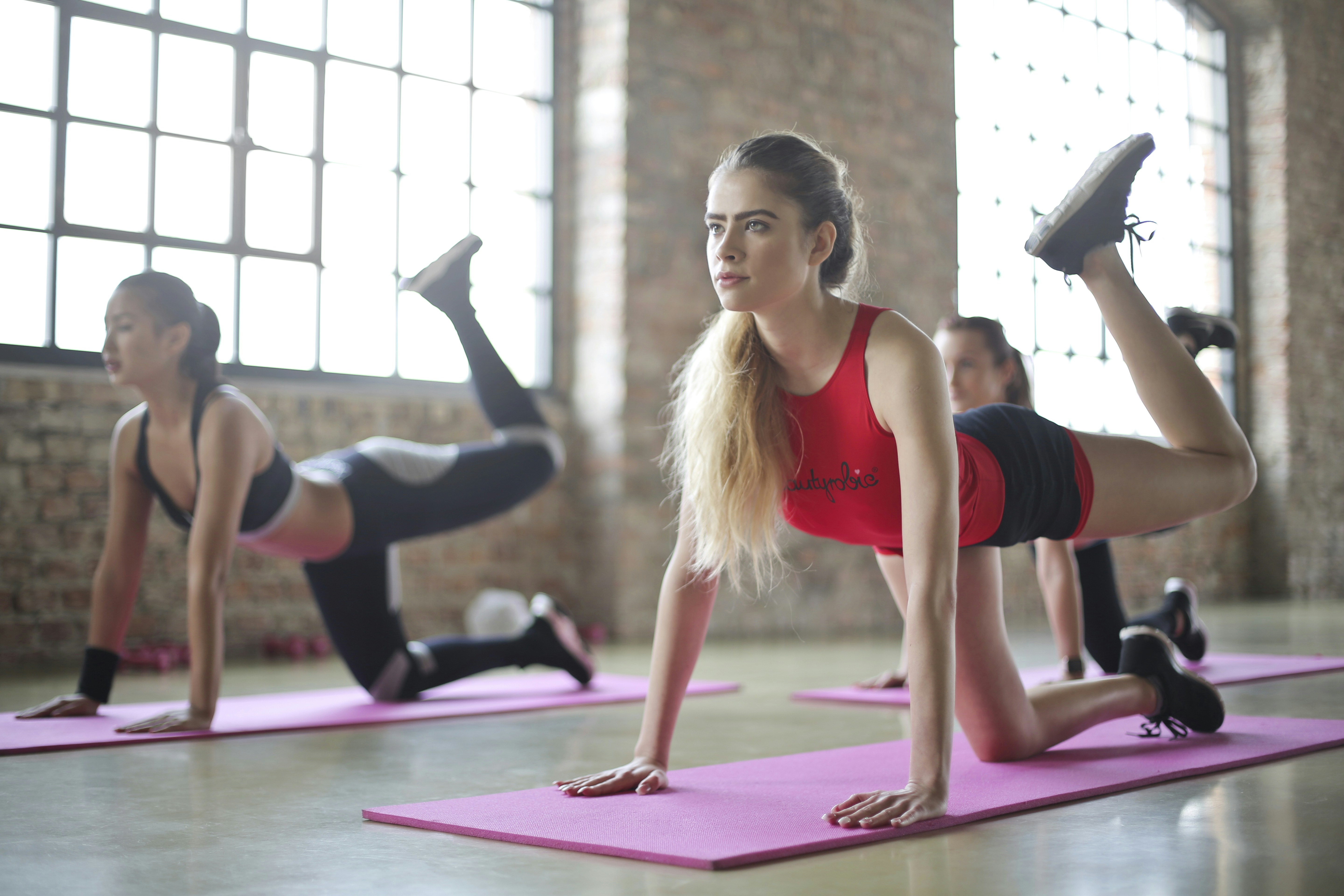
For the glutes, the figure-four stretch is the most effective option: lie on your back, cross one ankle over the opposite knee, and pull the bottom leg toward your chest until you feel a deep stretch in the buttock. Hold forty-five seconds per side. Then add the adductor rock-back: on hands and knees, extend one leg to the side and shift your hips back slowly, eight slow reps per side. The inner thighs work hard in squats and lunges but rarely get stretched, which is why they stay tight long after leg day.
Finish with calves and ankles, the pair most people skip. Stand facing a wall, one foot forward and one back, and drive the back heel into the floor for thirty seconds per side — then repeat with the back knee bent to hit the deeper soleus muscle. Tight calves limit ankle mobility, which quietly worsens your squat depth over time, so this two-minute finish protects your next leg day as much as it helps this one.
Keep every stretch gentle and static: hold, breathe, and stop well short of pain. Aggressive stretching on freshly trained muscles can add irritation rather than relief, so if a stretch hurts, back off until it feels like mild tension. Ten minutes total is enough, and pairing the routine with water, protein, and a good night's sleep does far more for recovery than any stretching trick. The goal is simple: walk out of the gym moving well, and wake up tomorrow a little less stiff.
Foam rolling pairs well with stretching after leg day, but only if you use it correctly. Roll slowly — about one inch per second — over the quads, hamstrings, glutes, and calves, pausing for twenty to thirty seconds on tender spots and breathing into them rather than grinding through pain. Spend no more than a minute or two per muscle group; longer sessions add little and can leave muscles feeling irritated rather than relieved. Avoid rolling directly over joints, the lower back, or the IT band, which is a tendon, not a muscle, and does not respond to rolling the way muscle does. Roll before you stretch, not after, so the muscles are warm and receptive when you stretch them. And keep expectations realistic: foam rolling temporarily improves range of motion and reduces perceived soreness, but it does not break up scar tissue or speed muscle repair in any dramatic way. Used gently, for five to ten minutes after leg day, it is a useful complement to stretching — a way to check in with your muscles and find the spots that need attention before they become problems.
📖 Continue Reading the Full Story
Continue reading this article on SkyFree Athletics.
⚡ Access Full Content NowMore from SkyFree Athletics



 💎 LuxeLiving 768
Luxury Home Office Ideas for Executives in 2026
A luxury home office is about focus, comfort and presence on video calls. Design ideas for lighting, furniture...
 ✈️ SkyFree Club
What Is an AI Receptionist for Travel Agencies? A 2026 Guide
How AI voice receptionists give travel agencies 24/7 booking lines — answering trip inquiries, quoting package...
 🖋️ SkyFree Chronicles
What Is an AI Receptionist for Bookshops and Indie Publishers? A 2026 Guide
How AI voice receptionists handle after-hours calls for bookshops and small publishers — order inquiries, even...
 🌿 SkyFree Living
How Much Solar Wattage to Run a Small Off-Grid Cabin Fridge? A Practical Sizing Guide
A cabin fridge needs sizing by daily watt-hours, not the wattage on its label. This guide walks through panel ...