Australian Pull-Ups for Beginners: Form, Progressions, and Programming
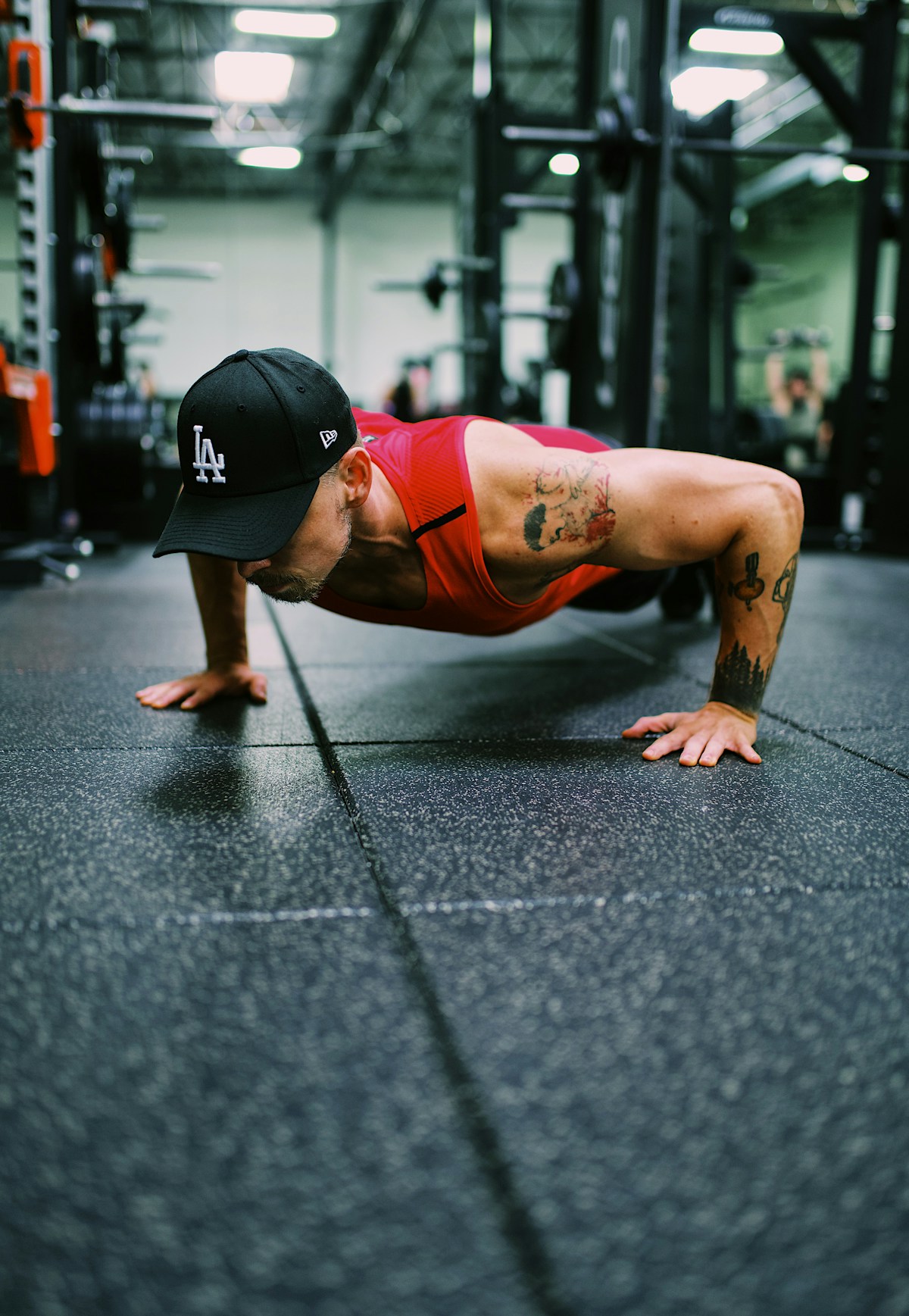
- Primary Signal: Australian Pull-Ups for Beginners: Form, Progressions, and Programming
- Overview: Australian pull-ups are the most underrated back exercise in calisthenics. Learn the form, the progressions from easy to hard, and how to program them toward your first strict pull...
- Verification: Analyzed and compiled by SkyFree Athletics editorial monitoring desk.
Australian pull-ups, also called inverted rows, are the horizontal pull every calisthenics program needs. They build the lats, rear delts, and biceps, teach scapular control, and serve as the perfect bridge to a first strict pull-up. Yet most beginners skip them entirely and wonder why their pulling strength stalls.
Set up under a low bar, rings, or a sturdy table. Lie underneath with your body straight from head to heels, heels on the floor, and grip the bar just wider than shoulder-width. Pull your chest to the bar while keeping your hips from sagging, then lower under control. Your body should move as one rigid line, like a plank, with no bending at the hips. Squeeze your shoulder blades together at the top and keep your neck neutral.
Make it easier by raising the bar or bending your knees with feet flat on the floor. Make it harder by lowering the bar until your body is nearly horizontal, elevating your feet on a box, adding a pause at the top, or slowing the lowering phase to three to five seconds. A weighted vest is the final step once bodyweight reps feel easy. One simple progression scheme: when you can do three sets of ten clean reps, move to a harder variation.
Program Australian pull-ups two to three times per week, usually after your main vertical pulling work or as a standalone back session. Three to five sets of six to twelve reps works well for most people. If your goal is a first pull-up, pair them with dead hangs and negative pull-ups: rows build the pulling muscles, negatives teach the top of the movement, and hangs build grip.
Watch for the common mistakes. Sagging hips turn the exercise into a hip hinge instead of a row, so brace your glutes and abs hard. Shrugging your shoulders toward your ears takes the lats out of the movement, so pull your shoulder blades down and back before you bend your elbows. And never bounce: a controlled two-second lower builds far more strength than a fast, sloppy rep.
Australian pull-ups are simple, scalable, and joint-friendly, which is exactly why they belong in every calisthenics routine. Master the horizontal pull and your vertical pull will follow.
Australian pull-ups work best as part of a balanced back session, not as a standalone exercise. A simple session looks like this: start with dead hangs to warm up the grip and shoulders, then do four sets of Australian pull-ups at a challenging height, then finish with scapular pulls and a thirty-second dead hang hold. If you have rings, use them: rings let your hands rotate naturally and challenge your stabilizers more than a fixed bar. If you only have a bar, vary your grip: overhand for the lats, underhand for the biceps, and wide for the rear delts.
To keep progressing, track your reps and your bar height in a training log. When three sets of ten feel comfortable, lower the bar by one notch or elevate your feet by a few inches, and start again at three sets of six. Small jumps are better than big ones, because the angle of your body changes the difficulty faster than most people expect. Within two to three months of consistent work, most beginners go from knee-bent rows to feet-elevated horizontal rows, and from there the first pull-up is much closer than it looks.
One final tip: treat Australian pull-ups as a skill you revisit for years, not a stepping stone you abandon once you can do a pull-up. Even advanced athletes keep rows in their program because horizontal pulling balances the vertical pulling that dominates calisthenics, and that balance is what keeps shoulders healthy over a long training career. Add them to your weekly routine, progress them slowly, and enjoy watching your back get stronger week after week.
📖 Continue Reading the Full Story
Continue reading this article on SkyFree Athletics.
⚡ Access Full Content NowMore from SkyFree Athletics
 🎒 SkyFree Outfitters
Performance Benchmark: Typing Speed Test — WPM & Accuracy Test Online (Day 7 Guide)
Understanding real-world data from the Typing Speed Test — WPM & Accuracy Test Online on SkyFree Outfitters. D...
 💎 LuxeLiving 768
Crypto APY Calculator UK: Staking Rewards Guide for 2026
UK crypto investors: calculate staking rewards with APY vs APR explained, tax notes for HMRC, and the best sta...
 ✈️ SkyFree Club
Cheapest Ways to Book Business Class to Europe With Points in 2026
Business class to Europe can cost 60,000 points or 200,000 — the difference is the program you book through. H...
 🖋️ SkyFree Chronicles
Traditional vs Self-Publishing in 2026: How to Choose the Right Path for Your Book
Traditional publishing offers prestige and bookstore reach; self-publishing offers speed, control, and 70 perc...