How to Keep Training Calisthenics Outdoors Through Winter
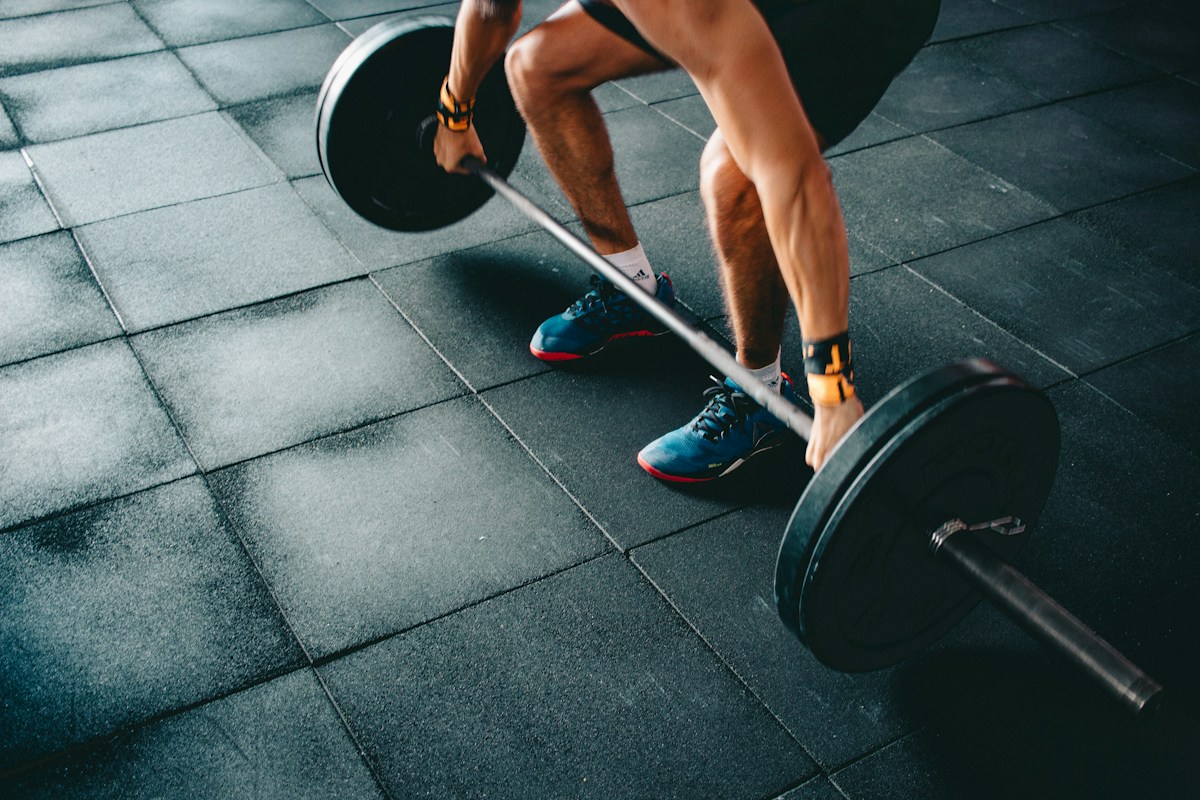
- Primary Signal: How to Keep Training Calisthenics Outdoors Through Winter
- Overview: Cold bars, dark mornings, and frozen fingers make winter the season most outdoor calisthenics athletes quit. Here is how to keep training outside safely all winter long....
- Verification: Analyzed and compiled by SkyFree Athletics editorial monitoring desk.
Winter is when most outdoor athletes lose their hard-earned progress. Sessions get skipped, skills get rusty, and spring becomes a rebuilding project instead of a launchpad. But training outdoors through winter is entirely possible, and it comes with real benefits: cold air training builds mental toughness, parks are empty, and maintaining even two sessions a week preserves far more strength and skill than most people expect.
The challenge is not the cold itself but the details: cold bars that punish bare hands, muscles that take longer to warm up, and grip that disappears when fingers go numb. Each of these has a practical fix, and once your winter system is in place, the season becomes manageable rather than miserable.
In winter, your warm-up needs to double. Start indoors with five to ten minutes of jumping jacks, arm circles, squats, and joint rotations before you ever touch a cold bar. Arrive at the park already warm, wearing layers you can peel off, rather than trying to generate heat from a cold start in freezing air.
Once outside, spend extra time on wrist, shoulder, and elbow preparation, because cold tendons are less elastic and more injury-prone. Begin skill work at reduced intensity: easy pull-ups before muscle-up attempts, wall handstands before freestanding work. If your muscles feel stiff or your coordination feels off, that is information, not weakness; scale the session down and bank a safe workout rather than forcing a personal best in bad conditions.
Bare metal bars in cold weather strip heat from your hands and destroy grip. Thin gloves with grippy palms are the simplest fix, and many athletes keep a dedicated winter pair in their training bag. Some athletes rub a little chalk on their hands even in winter, which helps with moisture from gloves, while others wrap the bar with athletic tape for insulation on their home setup.
Watch your fingers carefully: numbness is your signal to stop and rewarm, not to push through. Alternate grip-heavy sets with exercises that keep blood moving, like squats or push-ups, and keep a pair of warm mittens in your bag to wear between sets. If the temperature drops well below freezing or the bars are icy, move the session indoors or swap to a ground-based workout; no single session is worth frostbite or a slip from an icy bar.
Winter is a good season for volume and basics rather than maximal skill attempts. Focus on higher-rep fundamentals, support holds, and slow negatives, which build strength without demanding peak coordination on cold equipment. Two to three outdoor sessions per week, supplemented by indoor mobility and core work on the coldest days, will carry your fitness through to spring intact.
Dress in layers you can remove as you warm up, keep your core warm with a light jacket even during sets, and bring a warm drink for after the session. Track what works: note which gloves, warm-up length, and session times suit you best, and refine the system over the first few weeks. Winter training rewards the prepared, and by spring you will be one of the few athletes who never stopped.
A small winter kit removes most excuses for skipping sessions. Pack thin grippy gloves, a warm pair of mittens for between sets, a light insulated jacket, a beanie, and a small towel to dry bars before use. Keep a spare dry shirt in your bag, because training in a sweat-soaked layer in cold wind chills you fast once the session ends. A flask of warm water or tea for afterwards makes the whole experience more pleasant and helps you rewarm gradually. Store the kit together by the door so a winter session needs no extra preparation, and check gloves and jacket condition at the start of the season rather than discovering a hole on the coldest morning of the year. With the kit ready, the only decision left is to show up.
📖 Continue Reading the Full Story
Continue reading this article on SkyFree Athletics.
⚡ Access Full Content NowMore from SkyFree Athletics



 💎 LuxeLiving 768
Crypto APY Calculator Australia: 2026 Staking Rewards Guide
Australian crypto investors: estimate your staking rewards with a crypto APY calculator. Compare APY vs APR, c...
 ✈️ SkyFree Club
Mobile & Cloud Optimization: Playback Speed Calculator — Video Time at Any Speed (Day 16 Guide)
Testing responsive workflows with the Playback Speed Calculator — Video Time at Any Speed on SkyFree Club. Dis...
 🖋️ SkyFree Chronicles
Expert Insights: Playback Speed Calculator — Video Time at Any Speed (Day 8 Guide)
The science behind our free Playback Speed Calculator — Video Time at Any Speed on SkyFree Chronicles. Discove...
🌿 SkyFree Living
Practical Playbook: Playback Speed Calculator — Video Time at Any Speed (Day 9 Guide)
Solving critical challenges with the Playback Speed Calculator — Video Time at Any Speed on SkyFree Living. Di...