Wrist Strength for Calisthenics: Prep Your Wrists for Handstands and Muscle-Ups
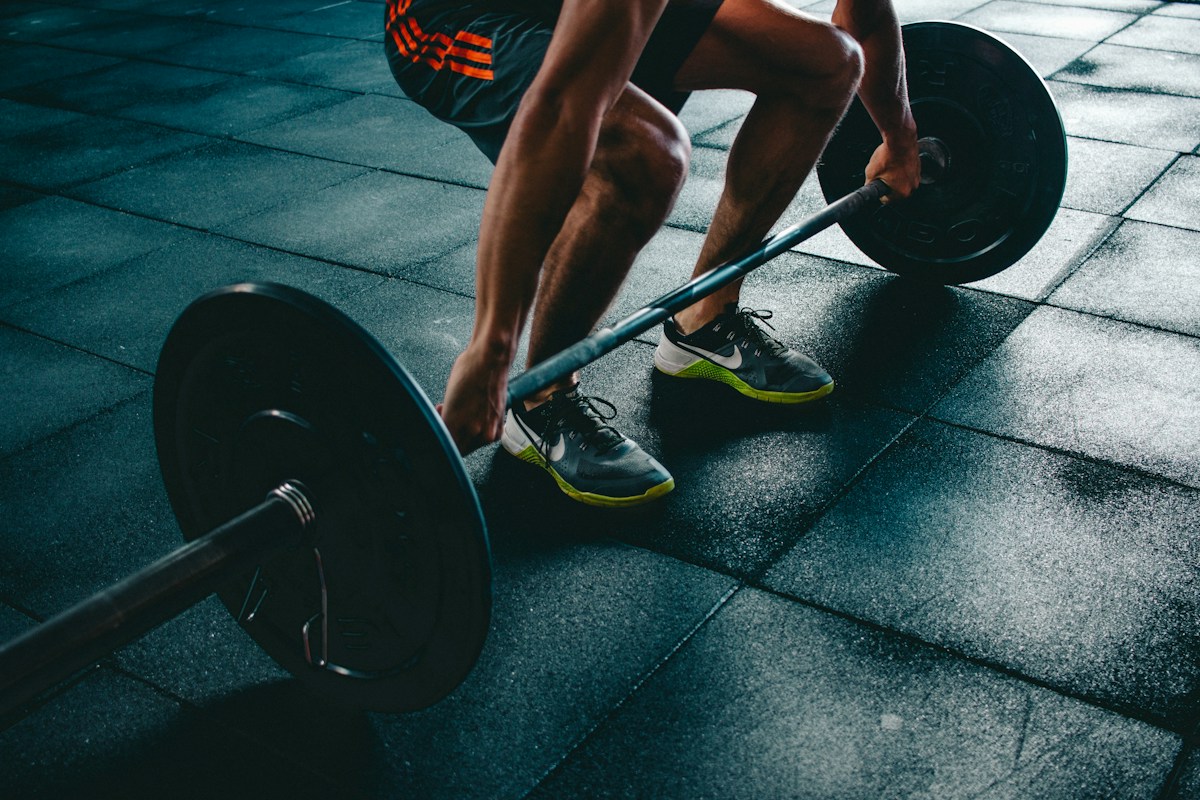
- Primary Signal: Wrist Strength for Calisthenics: Prep Your Wrists for Handstands and Muscle-Ups
- Overview: Strong, mobile wrists are the foundation of handstands and muscle-ups. This routine builds wrist strength and resilience so your joints keep up with your skills....
- Verification: Analyzed and compiled by SkyFree Athletics editorial monitoring desk.
Most calisthenics athletes blame weak shoulders or a weak core when a handstand will not hold, but the real limit is often further down the chain. In a handstand, your entire bodyweight passes through two small joints that were never designed to carry load in full extension for long periods. In a muscle-up, the wrists must stay strong through a violent transition from pulling to pushing. If the wrists are weak or stiff, the body compensates with bent arms, collapsed shoulders, or a grip that slips at exactly the wrong moment.
The good news is that wrists respond quickly to smart training. They are built from many small muscles and tendons that adapt to gradual loading, but they punish sudden jumps in volume. A few minutes of dedicated wrist work, done consistently before and after your main training, can be the difference between steady skill progress and months of nagging soreness that never quite goes away.
Never go straight from cold hands to a handstand or a muscle-up attempt. Begin with two minutes of gentle movement: wrist circles in both directions, fingers spread wide and then squeezed into fists, and slow palm presses where you place your hands flat on the floor and rock your weight gently forward and back. Follow this with wrist rocks on the backs of your hands, keeping the pressure light and the range comfortable.
The goal of the warm-up is blood flow and awareness, not stretching to your limit. You should finish feeling warm and loose, with no sharp sensations. If any position produces a pinching feeling on the back of the wrist, reduce the range and spend more time on the gentle circles instead. A warm-up that hurts is a warm-up that is too aggressive.
Once warm, train the wrists like any other muscle group: with progressive resistance and controlled reps. Wrist curls and reverse wrist curls with a light dumbbell or a water bottle, done for three sets of fifteen to twenty reps, build the flexors and extensors that stabilise the joint. Hold each rep for a second at the top, and keep the forearm supported on your thigh so the wrist does all the work.
Add fingertip push-up holds against a wall, and farmer carries gripping a thick towel wrapped around a bar, to build the grip endurance that handstands demand. For muscle-up preparation, practise the false grip hang: hang from a low bar with your wrists draped over the top, holding for ten to twenty seconds at a time. This teaches the wrist position that makes the transition possible, while strengthening the exact tissues it loads.
Strength without mobility is only half the job. A handstand needs roughly ninety degrees of wrist extension, and many adults have lost that range from years of desk work. Work on it daily with the prayer stretch, pressing palms together in front of your chest and slowly lowering them, and the reverse prayer stretch with the backs of your hands together. Hold each position for thirty seconds, breathing normally, and never force through pain.
Loaded stretching is the next step once the basic stretches feel easy. In a tabletop position, place your palms flat and slowly shift your weight forward until you feel a firm stretch, then hold for twenty seconds. Over weeks, this teaches the tissues to tolerate load at end range, which is exactly what a handstand asks of them.
Keep wrist work short and frequent rather than long and rare. Three sessions a week, ten minutes each, is enough for most athletes: warm-up, two strength drills, and one mobility drill, always after your main session or on a separate light day. Add one extra set or a slightly longer hold every week or two, and back off immediately if soreness lasts more than a day after training.
Stop and seek professional advice if you feel sharp pain, clicking that comes with pain, swelling, or numbness in the fingers. Soreness that fades within a day is normal adaptation; pain that changes how you move is a warning. Strong wrists are built over months, not in a single heroic session, and the athletes who progress fastest on handstands and muscle-ups are usually the ones who trained their wrists most patiently.
📖 Continue Reading the Full Story
Continue reading this article on SkyFree Athletics.
⚡ Access Full Content NowMore from SkyFree Athletics



 💎 LuxeLiving 768
Crypto APY Calculator Australia: 2026 Staking Rewards Guide
Australian crypto investors: estimate your staking rewards with a crypto APY calculator. Compare APY vs APR, c...
 ✈️ SkyFree Club
Mobile & Cloud Optimization: Playback Speed Calculator — Video Time at Any Speed (Day 16 Guide)
Testing responsive workflows with the Playback Speed Calculator — Video Time at Any Speed on SkyFree Club. Dis...
 🖋️ SkyFree Chronicles
Expert Insights: Playback Speed Calculator — Video Time at Any Speed (Day 8 Guide)
The science behind our free Playback Speed Calculator — Video Time at Any Speed on SkyFree Chronicles. Discove...
🌿 SkyFree Living
Practical Playbook: Playback Speed Calculator — Video Time at Any Speed (Day 9 Guide)
Solving critical challenges with the Playback Speed Calculator — Video Time at Any Speed on SkyFree Living. Di...