A Complete Calisthenics Pull Workout Using Only a Bar
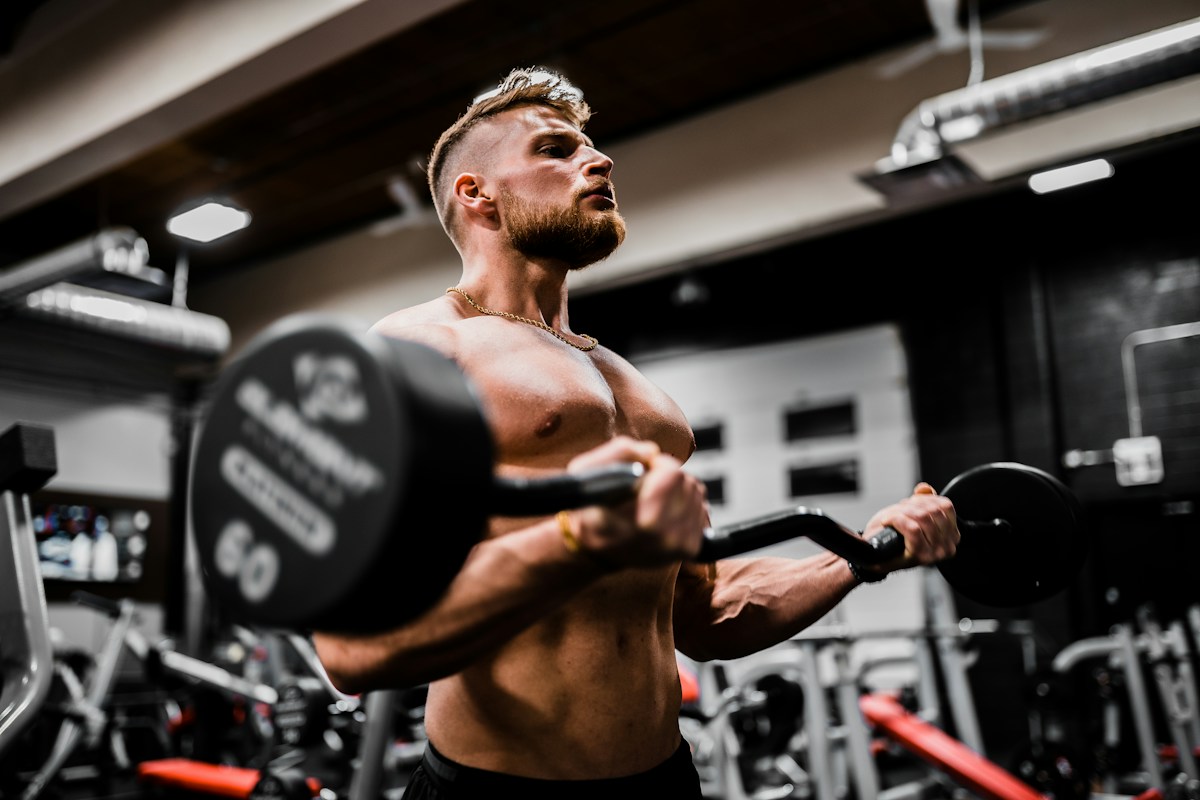
- Primary Signal: A Complete Calisthenics Pull Workout Using Only a Bar
- Overview: You do not need a gym to build a strong back and biceps. This bar-only pull workout covers vertical pulling, horizontal pulling, and grip work in one complete session....
- Verification: Analyzed and compiled by SkyFree Athletics editorial monitoring desk.
A single pull-up bar is one of the most complete pieces of training equipment ever made. With it, you can train every major pulling muscle: the lats, upper back, rear shoulders, biceps, and forearms, plus the grip and core stability that tie them together. The trick is not owning more equipment, but using the bar in more ways than just standard pull-ups.
This workout uses four movement families: vertical pulls, horizontal pulls, hangs, and grip work. Together they cover the back from every angle and build the strength that carries over to muscle-ups, front levers, and everyday tasks like climbing and carrying. All you need is a sturdy bar and about forty-five minutes.
Start with five minutes of easy movement: arm circles, band or towel pull-aparts, scapular hangs where you hang from the bar and practise pulling your shoulder blades down and back without bending your arms, and a few easy Australian pull-ups under a low bar. The scapular hang is especially important, because it teaches the shoulder position that protects your joints during every rep that follows.
If you cannot yet do a full pull-up, this warm-up doubles as your main work for now: scapular hangs, negatives, and low-bar rows will build the base. There is no shame in scaling; the athletes who progress fastest are the ones who master each step instead of rushing past it with poor form.
Begin with pull-ups, four sets of as many clean reps as you can manage with good form, resting two to three minutes between sets. Use a grip slightly wider than your shoulders, start from a dead hang, pull until your chin clears the bar, and lower under control. If you can do more than twelve clean reps, slow the lowering phase to four seconds or add a backpack with a little weight to keep the challenge in the right range.
Next, move to Australian pull-ups, also called inverted rows, using a low bar or the bar at hip height with your feet on the ground. Four sets of eight to twelve reps, keeping your body in a straight line from heels to shoulders, targets the mid-back and rear shoulders that standard pull-ups undertrain. Walk your feet further forward to make it harder, or bend your knees to make it easier.
Then do chin-ups with an underhand grip, three sets of six to ten reps, which shift more work to the biceps and lower lats. Finish the strength block with towel hangs: drape a towel over the bar, grip both ends, and hang for three sets of twenty to thirty seconds. This builds the crushing grip strength that makes every other pull feel easier.
Close the session with hanging knee raises, three sets of ten to fifteen reps, keeping the swing out of the movement by pausing briefly at the bottom of each rep. Your core works hard during pulling, and hanging raises train it in the same position your pull-ups use. Then cool down with two minutes of dead hangs and gentle shoulder stretches.
Do this workout two or three times per week, leaving at least a day between sessions, and track your total pull-up reps each week. When your total climbs by three or more reps for two weeks in a row, add difficulty rather than endless volume: slower negatives, a harder row angle, or a little added weight. Stop any exercise that causes sharp shoulder or elbow pain, and progress gradually, because tendons adapt more slowly than muscles.
Progress on a bar-only programme is easy to measure, and measuring it keeps motivation honest. Record your total pull-up reps, your hardest row angle, and your longest towel hang each week, and review the numbers monthly rather than daily, since strength fluctuates with sleep, stress, and soreness. When progress stalls for three weeks, change one variable only: add a set, slow the tempo, or try a new grip, such as a neutral grip if your bar allows it. Avoid changing everything at once, because then you will never know what worked. Most importantly, treat the bar as a long-term tool: a few consistent sessions each week, year after year, build a back that is strong in every direction and resilient to the demands of climbing, carrying, and sport.
📖 Continue Reading the Full Story
Continue reading this article on SkyFree Athletics.
⚡ Access Full Content NowMore from SkyFree Athletics



 💎 LuxeLiving 768
What to Wear to a Luxury Gala: A Complete Guide
Black tie, white tie, or just formal? Decode the dress code, choose a flattering silhouette, and nail the deta...
 🖋️ SkyFree Chronicles
The Complete Manual: Playback Speed Calculator — Video Time at Any Speed (Day 18 Guide)
Reference instructions and calculations for Playback Speed Calculator — Video Time at Any Speed on SkyFree Chr...
 ✈️ SkyFree Club
Mobile & Cloud Optimization: Playback Speed Calculator — Video Time at Any Speed (Day 16 Guide)
Testing responsive workflows with the Playback Speed Calculator — Video Time at Any Speed on SkyFree Club. Dis...
🌿 SkyFree Living
Practical Playbook: Playback Speed Calculator — Video Time at Any Speed (Day 9 Guide)
Solving critical challenges with the Playback Speed Calculator — Video Time at Any Speed on SkyFree Living. Di...