Signs You Are Overtraining Calisthenics and How to Deload Properly
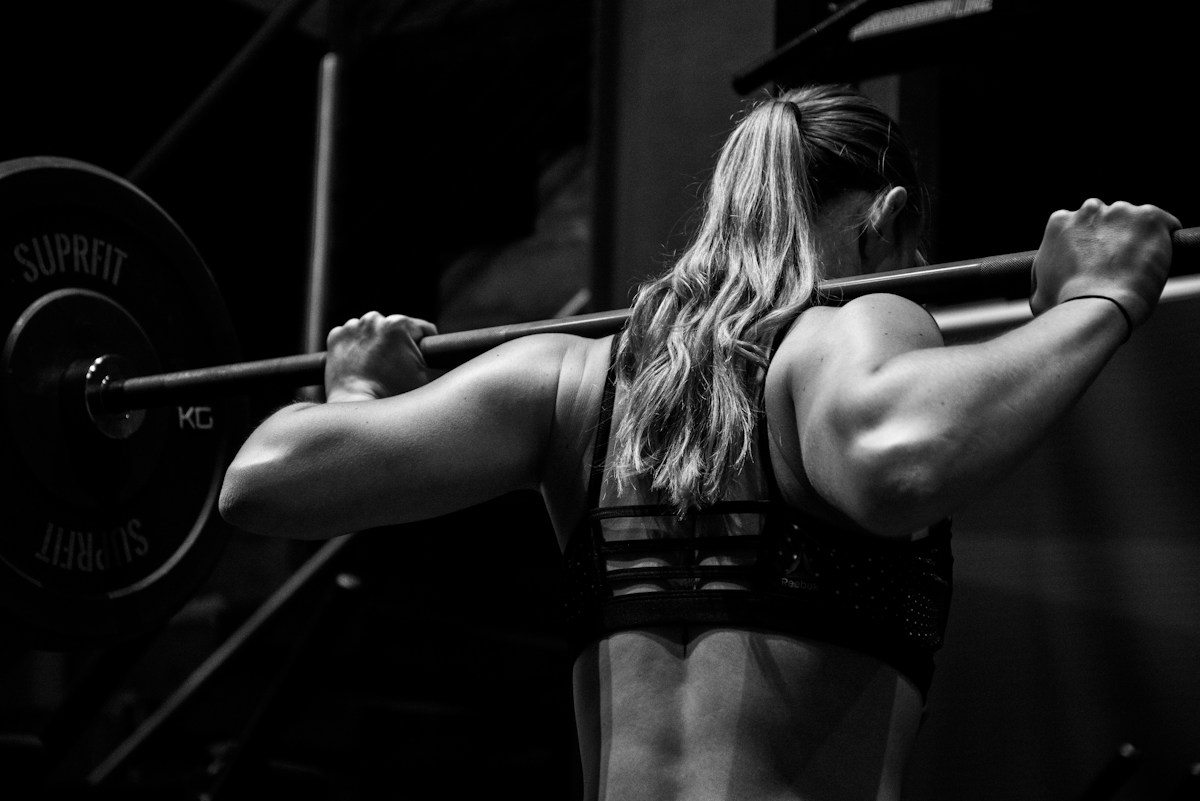
- Primary Signal: Signs You Are Overtraining Calisthenics and How to Deload Properly
- Overview: More training is not always better. Learn to spot the early signs of overtraining in calisthenics, and how a proper deload week restores progress instead of losing it....
- Verification: Analyzed and compiled by SkyFree Athletics editorial monitoring desk.
Calisthenics culture celebrates daily training, high volume, and pushing through fatigue, which makes overtraining easy to miss. The logic seems obvious: if you want to get stronger, train more. But strength is built during recovery, not during the workout itself. Training provides the stimulus; rest provides the adaptation. When the stimulus keeps coming without enough recovery, performance stalls, then declines, and the athlete often responds by training even harder, deepening the hole.
Overtraining rarely announces itself with a dramatic injury. It creeps in as small changes that are easy to dismiss: a pull-up number that will not budge, a skill that felt easy last month suddenly feeling heavy, or a training session you used to enjoy now feeling like a chore. Recognising these signals early is a skill, and it separates athletes who progress for years from those who burn out in months.
The clearest physical sign is a performance plateau or regression lasting more than two weeks despite consistent training. If your max reps are dropping, your holds are shortening, or your joints ache in the same places session after session, your body is telling you it has not recovered. Persistent muscle soreness that never fully clears between sessions is another red flag; normal soreness fades within a day or two, while overtraining soreness lingers.
Watch for non-training signs too: trouble sleeping despite being tired, irritability, a resting heart rate that is noticeably higher than usual in the morning, frequent colds, and a loss of motivation that goes beyond an ordinary off day. Any one of these alone might mean nothing, but two or three together for more than a week deserve attention. Elbow and shoulder tendon pain that worsens with training is a particularly important warning in calisthenics, because tendons recover more slowly than muscles and are easy to push into a long-term problem.
A deload is a planned week of reduced training, not a week off and not a punishment. Cut your volume roughly in half: half the sets, or half the reps, while keeping the same exercises and roughly the same intensity on the reps you do perform. Alternatively, keep the volume but drop the difficulty, swapping hard skills for easier variations. The goal is to keep moving and keep the movement patterns fresh while giving joints, tendons, and the nervous system a chance to catch up.
During the deload, prioritise sleep, easy mobility work, and gentle activity like walking. Eat enough; under-fuelling is a common hidden contributor to overtraining, and a deload week is a poor time to also cut calories. Most athletes feel surprisingly strong by the end of a deload week, and many set personal bests in the week after, which is the clearest proof that the rest was productive.
Schedule a deload every four to eight weeks as a normal part of training, rather than waiting for warning signs to force one. Track simple markers in a notebook or app: weekly total reps, morning resting heart rate, and a one-line note on sleep and motivation. Patterns become obvious on paper long before they are obvious in your head.
Finally, respect the difference between hard training and reckless training. Progress in calisthenics is measured in months and years, and a single well-timed deload protects far more progress than it costs. If symptoms persist beyond a deload week, or if joint pain is sharp or worsening, stop the aggravating exercises and seek professional advice rather than training through it.
Not every bad week is overtraining, and knowing the difference prevents unnecessary time off. A single poor session after a bad night's sleep, a stressful day, or a missed meal is normal and usually resolves with one good night of rest. True overtraining shows a pattern: several weeks of declining performance, lingering soreness, and the sleep and mood changes described above, despite consistent training and reasonable lifestyle habits. If you are unsure, take three easy days, sleep well, eat enough, and then test a familiar benchmark, such as your max pull-ups or a timed hold. If the numbers bounce back, you were simply fatigued. If they stay depressed, commit to a full deload week. This test saves athletes from both extremes: quitting too early and grinding on too long.
📖 Continue Reading the Full Story
Continue reading this article on SkyFree Athletics.
⚡ Access Full Content NowMore from SkyFree Athletics



 💎 LuxeLiving 768
Crypto APY Calculator Australia: 2026 Staking Rewards Guide
Australian crypto investors: estimate your staking rewards with a crypto APY calculator. Compare APY vs APR, c...
 ✈️ SkyFree Club
Mobile & Cloud Optimization: Playback Speed Calculator — Video Time at Any Speed (Day 16 Guide)
Testing responsive workflows with the Playback Speed Calculator — Video Time at Any Speed on SkyFree Club. Dis...
 🖋️ SkyFree Chronicles
Expert Insights: Playback Speed Calculator — Video Time at Any Speed (Day 8 Guide)
The science behind our free Playback Speed Calculator — Video Time at Any Speed on SkyFree Chronicles. Discove...
🌿 SkyFree Living
Practical Playbook: Playback Speed Calculator — Video Time at Any Speed (Day 9 Guide)
Solving critical challenges with the Playback Speed Calculator — Video Time at Any Speed on SkyFree Living. Di...