High-Altitude Training for Runners: Benefits, Risks, and How to Start
- Primary Signal: High-Altitude Training for Runners: Benefits, Risks, and How to Start
- Overview: Training at altitude can raise your red blood cell count and endurance, but only if you acclimatise slowly and respect the risks....
- Verification: Analyzed and compiled by SkyFree Athletics editorial monitoring desk.
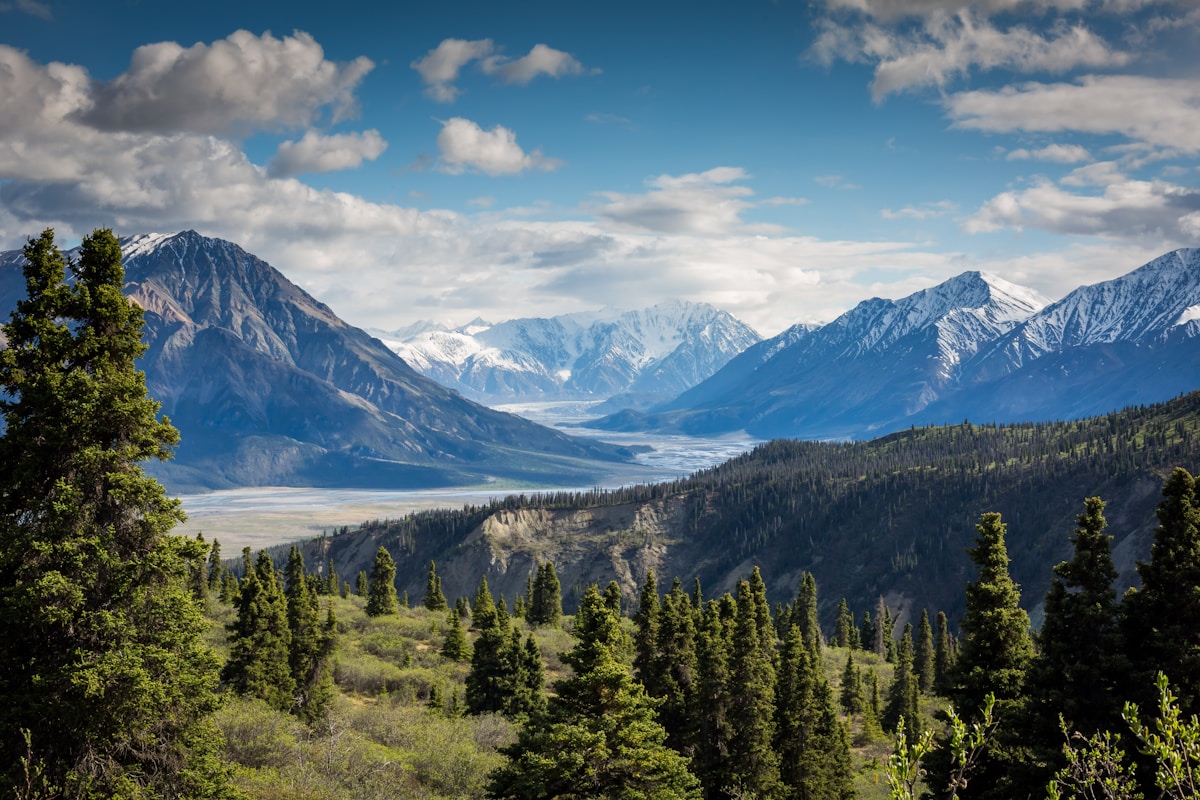
High-altitude training works because thinner air forces your body to adapt: over two to four weeks above roughly 2,000 metres, your body produces more red blood cells, improving oxygen delivery when you return to sea level. This is why elite runners travel to mountain camps before big races. But the same thin air that drives adaptation also raises your heart rate, slows recovery, and increases injury risk if you rush it.
The classic approach is live high, train low: sleep at altitude to trigger adaptation, but do hard sessions at lower elevation where you can still hit your paces. Most recreational runners cannot arrange this, so the practical version is to spend your first week at altitude running easy only, letting your body adjust before adding intensity. Expect your easy pace to be thirty to ninety seconds per kilometre slower at first; that is normal, not a fitness loss.
Acclimatisation follows a rough timeline. The first two to three days bring the worst symptoms: breathlessness, poor sleep, and headaches for some. By day seven, easy running feels manageable, and by day fourteen to twenty-one, most runners can train close to normally. Altitude sickness is a real risk above 2,500 metres, so ascend gradually, stay hydrated, and descend and seek help if headaches, nausea, or confusion worsen rather than improve.
Iron matters more at altitude because red blood cell production consumes it. Get your ferritin checked before a camp if possible, and eat iron-rich foods such as red meat, lentils, and leafy greens, paired with vitamin C for absorption. Runners who arrive iron-deficient often gain little from altitude training, no matter how hard they train.
If you cannot travel, simulated altitude through intermittent hypoxic training masks exists but the evidence is far weaker than for real altitude, and most coaches consider it a poor substitute. A better home alternative is heat training, which produces some overlapping adaptations, or simply a well-structured block of hill training. For most runners, one well-planned mountain trip per year, with easy first days and patient pacing, delivers more benefit than any gadget.
Altitude adaptations fade gradually after you return to sea level, with most of the red blood cell benefit lasting two to four weeks. This is why athletes time their return carefully, racing within the first week or two after a camp when the benefit is highest. Recreational runners should plan a target race or a personal time trial within three weeks of coming down, and avoid scheduling a marathon for the first few days back, when sleep and hydration are still normalising.
Sleep is often the first thing altitude disrupts, with lighter sleep and periodic breathing waking many runners in the first week. This matters because recovery happens during sleep, and poor sleep can cancel out training gains. Practical fixes include arriving a few days before hard training, keeping the bedroom cool and dark, avoiding alcohol, and accepting that easy days may need to be even easier while sleep is poor. If sleep does not improve after a week, consider sleeping lower than you train.
A full mountain camp is expensive, but shorter trips still help. Even ten to fourteen days at moderate altitude produces measurable adaptation if you train consistently and sleep well. Cheaper options include staying in mountain hostels, combining the trip with a trail race at altitude, or training at the highest terrain within driving distance of home. Whatever the budget, the principles stay the same: ascend gradually, start easy, eat iron-rich food, and race within a few weeks of returning.
Altitude training rewards patience more than toughness. Runners who arrive, rest, and build slowly almost always outperform those who hammer the first three days and spend the rest of the trip exhausted or ill. Treat the mountain as a training partner, not an opponent, and the red blood cell gains will follow.
📖 Continue Reading the Full Story
Continue reading this article on SkyFree Athletics.
⚡ Access Full Content NowMore from SkyFree Athletics



 💎 LuxeLiving 768
Crypto APY Calculator Australia: 2026 Staking Rewards Guide
Australian crypto investors: estimate your staking rewards with a crypto APY calculator. Compare APY vs APR, c...
 🏆 WorldCup2026 Cities
Monterrey World Cup 2026 Guide: Altitude, Heat and the Mountain Stadium
Estadio BBVA sits beneath the Sierra Madre in Mexico's hottest host city: how to handle heat and altitude, and...
 ✈️ SkyFree Club
Mobile & Cloud Optimization: Playback Speed Calculator — Video Time at Any Speed (Day 16 Guide)
Testing responsive workflows with the Playback Speed Calculator — Video Time at Any Speed on SkyFree Club. Dis...
 🖋️ SkyFree Chronicles
Expert Insights: Playback Speed Calculator — Video Time at Any Speed (Day 8 Guide)
The science behind our free Playback Speed Calculator — Video Time at Any Speed on SkyFree Chronicles. Discove...