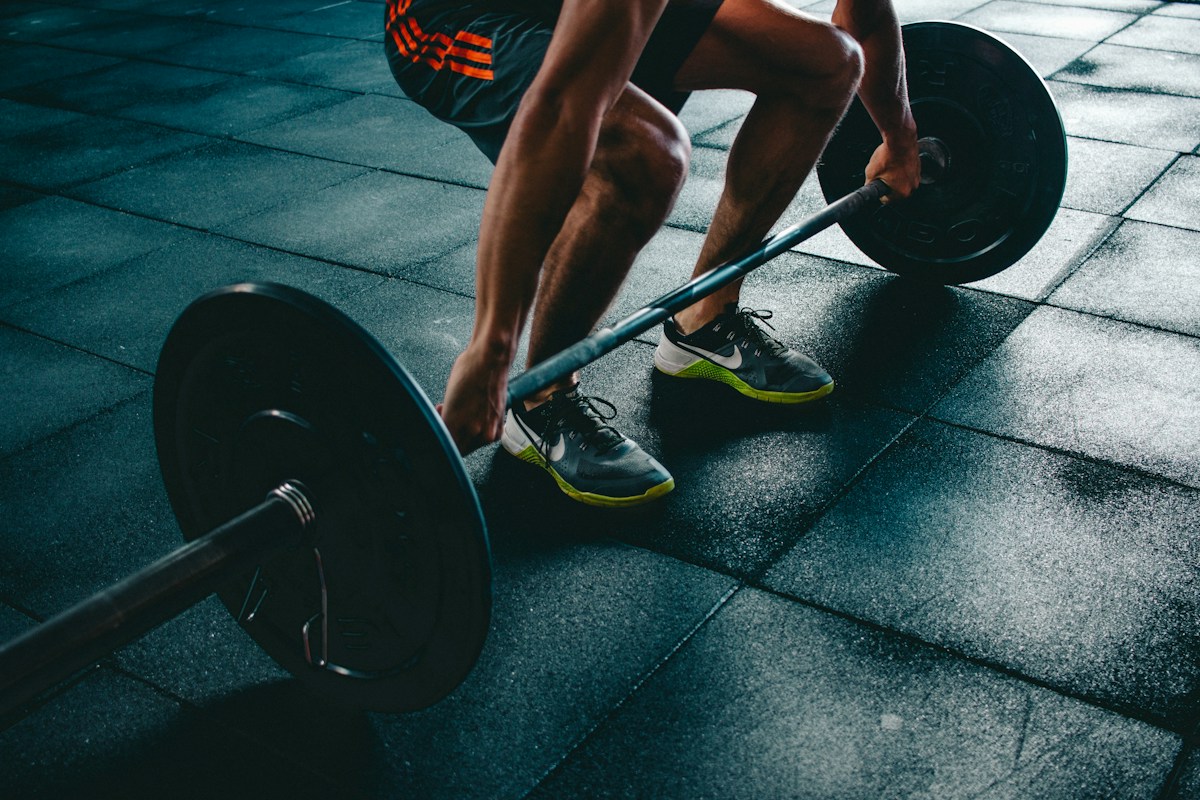
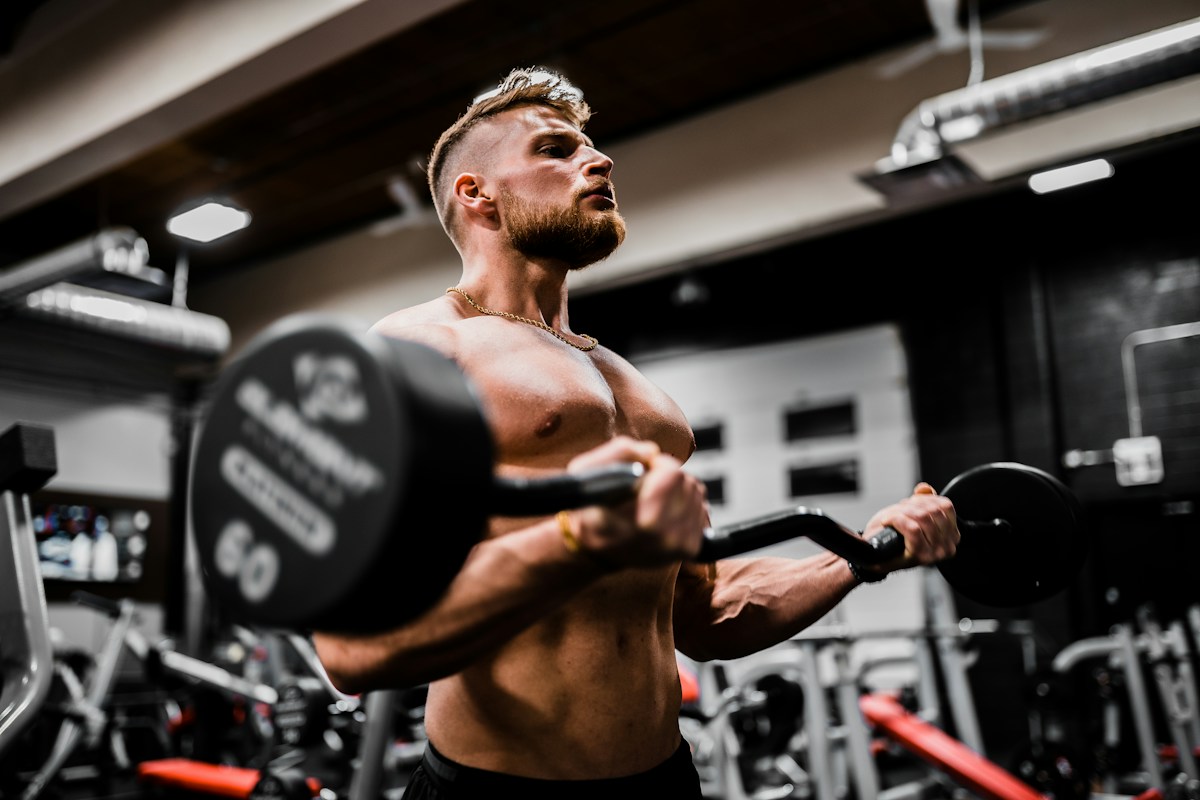
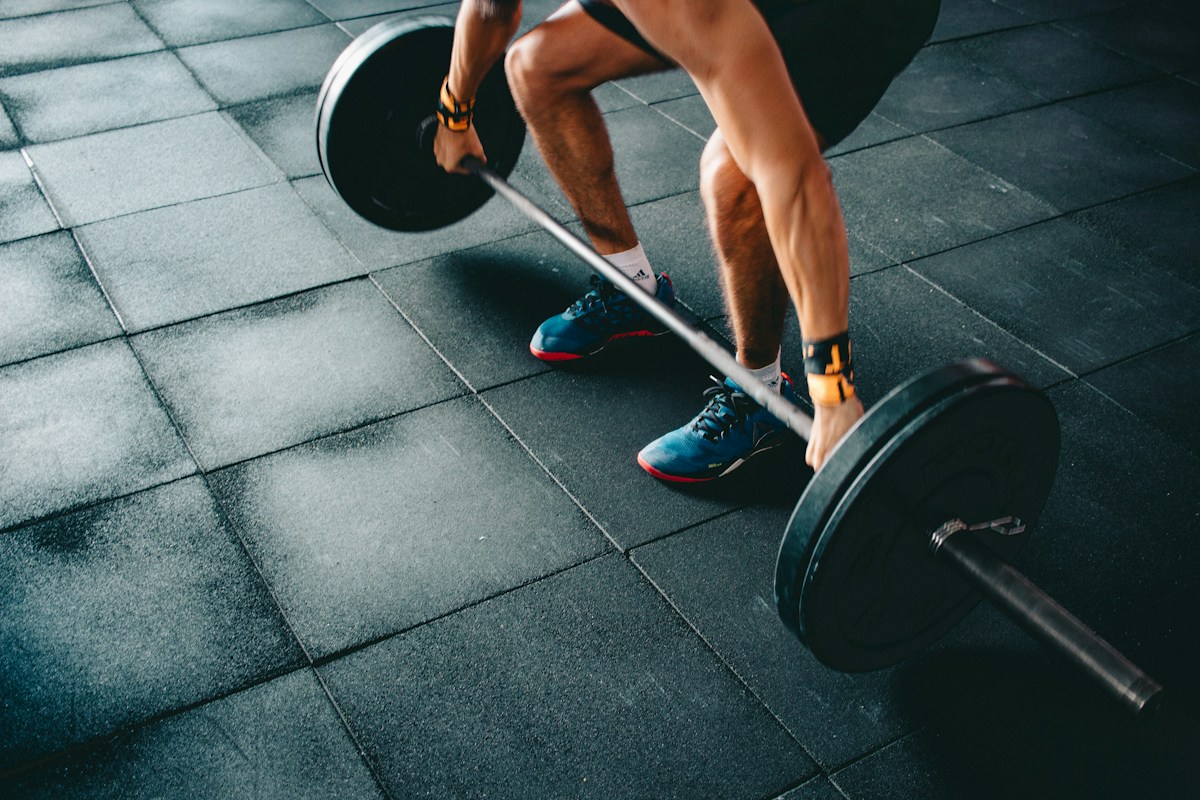
Both calisthenics and weight training build muscle when programmed well; the real differences are load progression, convenience, and which style you will actually stick with.

Archive: November 2026
105 stories published in November 2026
Uphills feel brutal at first, but shorter strides, a steady effort, and smart walking breaks turn climbs into the most rewarding part of trail running.
A ten-minute hips-and-ankles routine, done most days, keeps runners supple, improves stride, and cuts the niggles that come from tight joints.
Recovery after calisthenics is mostly about sleep, sensible volume, and active rest — not ice baths or supplements — and small habits compound into faster progress.
This full-body home plan needs no equipment and no gym: push, pull, legs, and core in one balanced session you can repeat three times a week.
The pistol squat is earned in stages: assisted squats, box pistols, and balance drills build the strength and mobility for a clean single-leg squat.
Walking 10,000 steps burns about 400 to 500 calories for most adults. An 80 kg adult walking at a moderate pace burns about 532 calories, worked out step by step from the standard MET formula.
Strong, mobile wrists are the foundation of handstands and muscle-ups. This routine builds wrist strength and resilience so your joints keep up with your skills.
You do not need a gym to build a strong back and biceps. This bar-only pull workout covers vertical pulling, horizontal pulling, and grip work in one complete session.
Dips build serious pushing strength, but jumping straight to rings is a recipe for sore shoulders. Follow this step-by-step dip progression from bench dips to confident ring dips.
Steep descents are where trail races are won and quads are wrecked. Learn how to run downhill with speed and control, from foot placement to braking strategy.
Stiff ankles limit your squat depth and make every trail step less stable. This practical ankle mobility routine improves dorsiflexion for deeper squats and surer footing on the trail.
Cold bars, dark mornings, and frozen fingers make winter the season most outdoor calisthenics athletes quit. Here is how to keep training outside safely all winter long.
More training is not always better. Learn to spot the early signs of overtraining in calisthenics, and how a proper deload week restores progress instead of losing it.
Planks are a starting point, not a destination. This bodyweight core workout uses hollow body and L-sit progressions to build the trunk strength that transfers to handstands, levers, and running.
Technical trails demand different skills from smooth paths: foot placement, balance, and patience. This first plan helps you start running rocky, rooty terrain safely and with confidence.
Tight shoulders make handstands feel impossible and overhead pressing feel pinchy. This shoulder mobility routine restores overhead range for calisthenics, step by step.
A short, joint-friendly warm-up primes your shoulders, wrists, hips, and core so your first working set feels strong instead of stiff.
Shorter strides, a higher cadence, and a smart switch to power hiking will make you faster on climbs without blowing up your legs.
Sore knees do not mean skipping leg day. These low-impact moves build strong glutes, hamstrings, and quads without deep knee bending.
A patient, step-by-step handstand progression builds the shoulder strength and balance you need, without the fear of falling.
Trail shoes and road shoes look similar, but lugs, rock plates, and uppers change how they grip, protect, and wear on rough ground.
A stiff upper back quietly limits handstands, pull-ups, and dips. These targeted drills restore the extension your shoulders need.
Training at altitude can raise your red blood cell count and endurance, but only if you acclimatise slowly and respect the risks.