Calisthenics Back Workout Without a Pull-Up Bar: Rows, Holds, and Hinges That Work
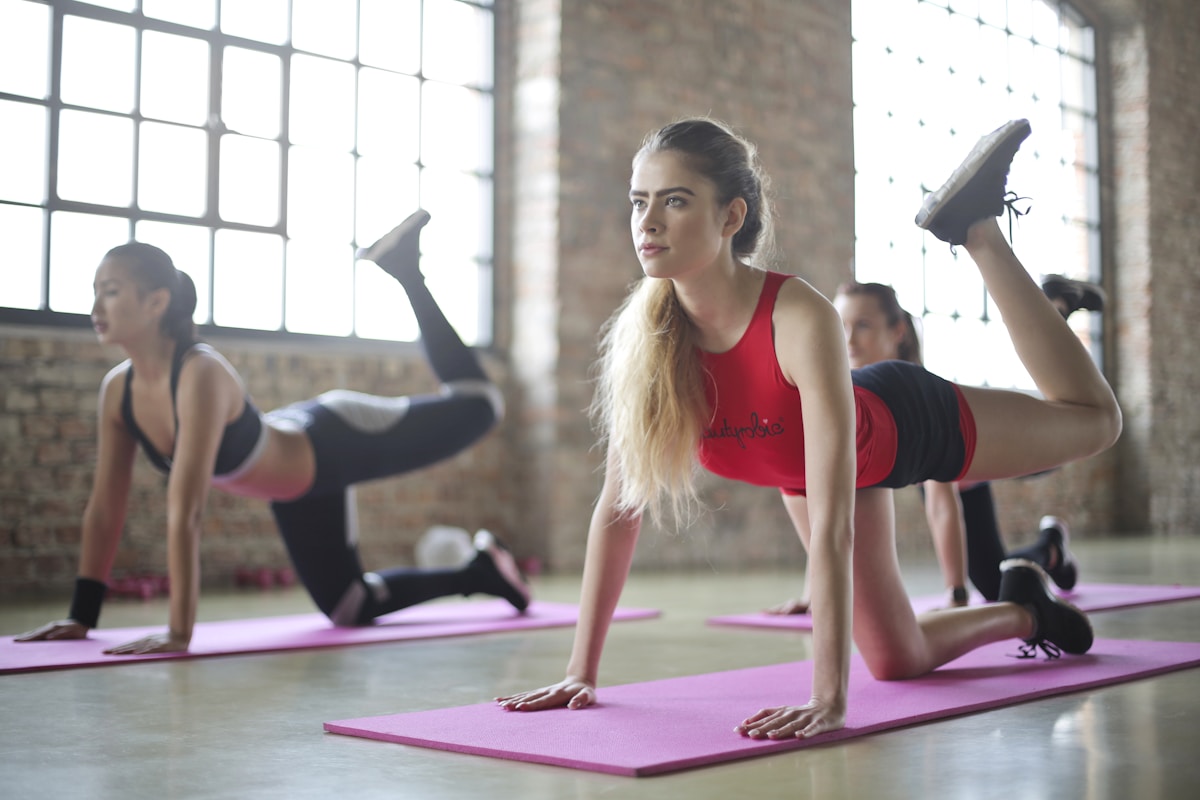
- Primary Signal: Calisthenics Back Workout Without a Pull-Up Bar: Rows, Holds, and Hinges That Work
- Overview: No bar does not mean no back training. With a table, a towel, and a doorway, you can build a complete pulling workout that covers your lats, upper back, and rear delts....
- Verification: Analyzed and compiled by SkyFree Athletics editorial monitoring desk.
A pull-up bar is the best tool for calisthenics back training, but it is not the only one. Travel, a home without a bar, or a park with no equipment should not mean skipping your pulling work. With a sturdy table, a towel, and some creativity, you can train your entire back effectively.
The foundation of bar-free back training is the horizontal row. Lying under a sturdy table, gripping its edge, and pulling your chest to the table trains the lats, biceps, and upper back in a pattern similar to a pull-up. Adjust difficulty by moving your feet: straight legs on the floor is easier, feet elevated on a chair is much harder.
If no table is sturdy enough, a towel in a closed door works surprisingly well. Fold a towel over the top of a door, close it firmly, and use the hanging ends as handles for rows. Test the door first with partial body weight and always pull toward the hinged side, never toward the side that could swing open.
For the upper back and rear delts, the reverse fly pattern is essential, and it needs no equipment at all. Lying face down, lift your arms out to the sides in a wide arc, squeezing your shoulder blades together at the top. Slow tempos and pauses make this far harder than it looks, and it balances the pressing work most bodyweight routines overemphasize.
Hinges train the lower back and posterior chain, which rows alone miss. Single-leg Romanian deadlifts, done slowly with arms reaching toward the floor, build hamstring and glute strength plus balance. The Superman hold, lying face down and lifting arms and legs together, adds lower back endurance that supports every other pulling movement.
Isometric holds deserve a bigger role in a bar-free program. A prone reverse plank hold, an arch hold, and a table row hold at the top position all build strength at angles that dynamic reps miss. Holds also need no equipment and can be done anywhere, which makes them perfect for travel days when a full session is impossible.
A complete session might look like this: table rows for four sets of eight to twelve reps, towel rows or reverse flys for three sets of twelve to fifteen, single-leg deadlifts for three sets of eight per side, and arch holds for three sets of twenty to thirty seconds. Rest sixty to ninety seconds between sets and focus on slow, controlled reps.
Progression without a bar relies on leverage and tempo rather than added weight. Move your feet further out on rows, elevate them, slow the lowering phase to four or five seconds, or add a pause at the hardest point. A backpack loaded with books turns every row and hinge into a weighted exercise when bodyweight alone gets easy.
The most common mistake in bar-free back training is neglecting the vertical pulling pattern entirely. Horizontal rows are excellent, but they do not fully replace vertical pulling. If you have access to a tree branch, a playground bar, or even a sturdy overhead beam once a week, add a few sets of pull-ups or hangs to keep that pattern alive.
Balance matters: for every pushing set in your routine, aim for at least one pulling set. Most bodyweight programs drift toward push-ups and dips because they are convenient, and the result is rounded shoulders and unhappy rotator cuffs. A bar-free back session done twice a week is enough to keep that balance in check.
Grip training is a free bonus of bar-free back work. Towel rows are notoriously grip-demanding, and that grip strength transfers directly to pull-ups, dead hangs, and carries when you return to a bar. If your forearms fatigue before your back does, that is useful information, not a flaw in the workout.
Track your sessions the same way you would a bar program: note the variation, the leverage, the reps, and the tempo. Progress in bodyweight training is easy to lose track of because the exercises look the same week to week. Written numbers reveal whether you are actually getting stronger or just repeating the same comfortable session.
No bar is a constraint, not an excuse. A table, a towel, and a floor are enough to build a back that is strong, balanced, and ready for the day you do get back to a bar. When that day comes, you will find your pull-ups have not disappeared, because the muscles behind them never stopped working.
📖 Continue Reading the Full Story
Continue reading this article on SkyFree Athletics.
⚡ Access Full Content NowMore from SkyFree Athletics



 🖋️ SkyFree Chronicles
Decision-Making Framework: Playback Speed Calculator — Video Time at Any Speed (Day 28 Guide)
How data from our Playback Speed Calculator — Video Time at Any Speed on SkyFree Chronicles. Discover essentia...
💎 LuxeLiving 768
Deep-Dive Audit: Playback Speed Calculator — Video Time at Any Speed (Day 4 Guide)
Mastering performance metrics with the Playback Speed Calculator — Video Time at Any Speed on LuxeLiving 768. ...
✈️ SkyFree Club
Mobile & Cloud Optimization: Playback Speed Calculator — Video Time at Any Speed (Day 16 Guide)
Testing responsive workflows with the Playback Speed Calculator — Video Time at Any Speed on SkyFree Club. Dis...
🌿 SkyFree Living
Practical Playbook: Playback Speed Calculator — Video Time at Any Speed (Day 9 Guide)
Solving critical challenges with the Playback Speed Calculator — Video Time at Any Speed on SkyFree Living. Di...