Core Strength for Runners: Plank Progressions That Actually Transfer
- Primary Signal: Core Strength for Runners: Plank Progressions That Actually Transfer
- Overview: A strong core for running is not about holding one long plank, it is about resisting movement while your limbs move. These progressions build that stability in ten minutes a day....
- Verification: Analyzed and compiled by SkyFree Athletics editorial monitoring desk.
Runners often treat core work as an afterthought, doing a quick plank at the end of a workout and wondering why their form still collapses late in a run. The problem is that running never asks you to hold still, it asks your trunk to stay stable while your arms and legs swing, your hips rotate, and your foot strikes the ground hundreds of times. A useful core program therefore trains anti-rotation, anti-extension, and single-side stability, not just endurance in one static position. Plank progressions are ideal for this, because they start simple and become progressively more running-specific without needing any equipment.
Start with a solid front plank before adding movement. Lie face down, rise onto forearms and toes, and create a straight line from head to heels by gently tucking your pelvis, squeezing your glutes, and breathing normally. Hold for twenty to thirty seconds with perfect form, rest, and repeat three times. If your hips sag, your lower back arches, or you hold your breath, the hold is too long, so shorten it and build up. Quality matters more than duration, and a thirty-second plank done well teaches your body far more than a two-minute plank done badly. Once you can hold three clean thirty-second planks, you are ready to progress.
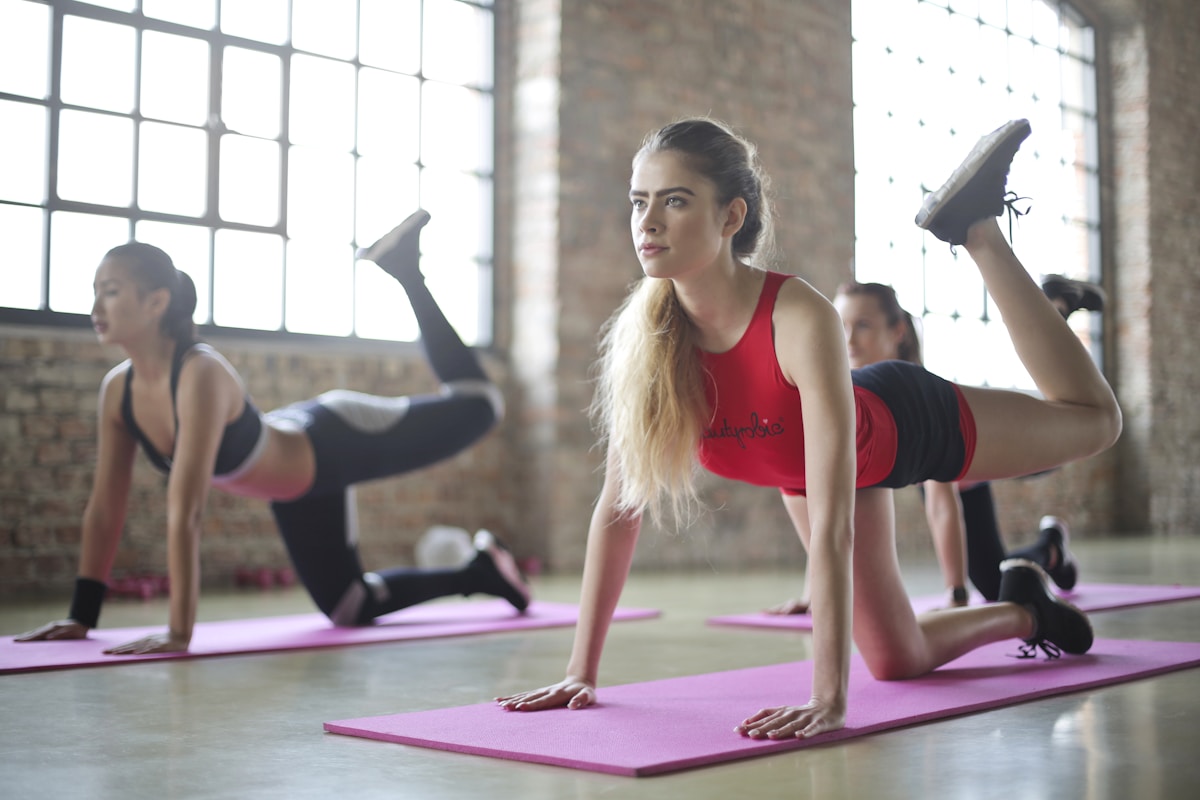
Progress to planks that add limb movement while your trunk stays still. Try a plank with alternating shoulder taps, touching each shoulder with the opposite hand while keeping your hips level and resisting rotation. Next, try a plank with slow leg lifts, raising one foot a few centimetres at a time without letting your hips rock. Then add a side plank, holding each side for twenty to thirty seconds with your body in a straight line, and progress to side plank with hip dips or leg lifts when the basic hold feels easy. These variations mimic running, where stability must survive movement, and they reveal weak links quickly, usually on one side more than the other.
Add dynamic core exercises twice a week to complete the program. Dead bugs are excellent for runners: lie on your back, raise arms and legs, press your lower back into the floor, and slowly extend opposite arm and leg while keeping your back flat. Bird dogs, from hands and knees, extend opposite arm and leg while keeping your hips level, which trains the same cross-body stability used in running. Pallof presses, using a resistance band anchored to a post, train anti-rotation directly: hold the band at chest height, press straight out, and resist being pulled sideways for ten seconds per rep. Do two to three sets of eight to ten reps for each dynamic move.
Program core work after easy runs or on rest days, not before hard sessions when fatigue could compromise form. Ten minutes is enough if you work with focus: pick three exercises, do two to three sets each, and progress one exercise every two weeks. Keep breathing normally throughout, stop if you feel sharp lower-back pain, and see a professional if core work consistently aggravates your back. Normal muscle effort in the abdomen and sides is expected, but pain that shoots, lingers, or changes your movement is not a badge of effort, it is information to act on.
After six weeks of consistent core progressions, most runners notice they stay taller late in long runs, their arms swing less wildly when tired, and their hips feel steadier on uneven ground. Those are the transfers that matter, and they come from training stability under movement rather than chasing a longer static hold. Keep the routine short, progress gradually, and treat core work as part of running training rather than a separate chore. A stable trunk will not make you fast on its own, but it will let the fitness you already have show up for longer.
📖 Continue Reading the Full Story
Continue reading this article on SkyFree Athletics.
⚡ Access Full Content NowMore from SkyFree Athletics



 🖋️ SkyFree Chronicles
After-Hours Answering for Bookshops: What Actually Works in 2026?
Evening and weekend callers are often your most motivated buyers. An honest comparison of after-hours answerin...
 🎒 SkyFree Outfitters
What After-Hours Answering Actually Works for Outdoor Retailers?
Trip prep happens at night. An honest comparison of after-hours answering options for outdoor-gear shops and o...
 🛍️ Caylin Shop
Viral Skincare Tools: A Buyer's Guide to What Actually Helps
Viral skincare tools promise clearer, firmer skin, but results vary and some tools can irritate. Learn how to ...
 💎 LuxeLiving 768
Luxury Home Office Ideas for Executives in 2026
A luxury home office is about focus, comfort and presence on video calls. Design ideas for lighting, furniture...